Meet Ying Xiong | Architecture designer & Tattoo Artist
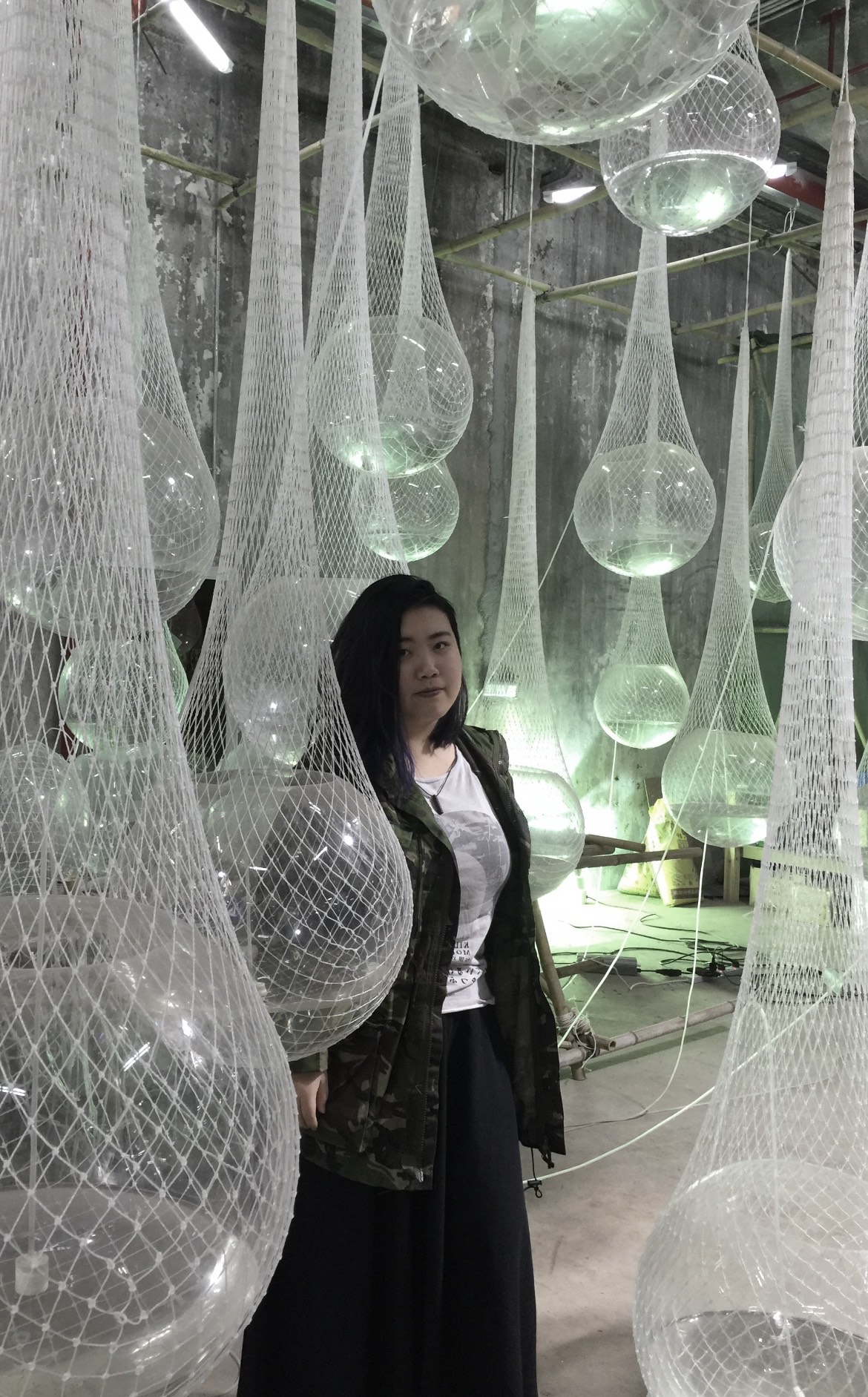


We had the good fortune of connecting with Ying Xiong and we’ve shared our conversation below.
Hi Ying, what led you to pursuing a creative path professionally?
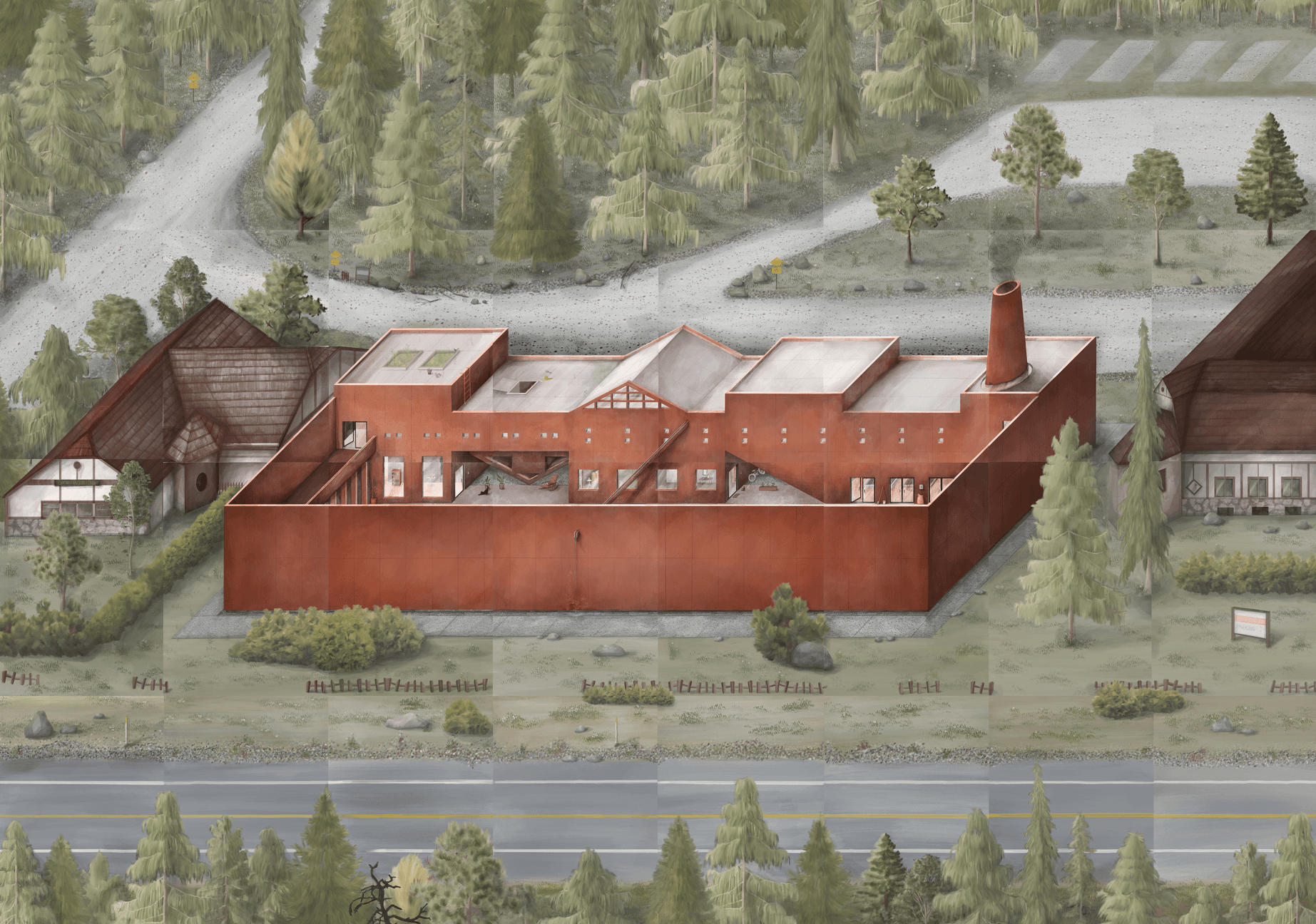
I’ve always loved to draw. As a child, drawing was my way of processing the world—quiet, intuitive, and deeply mine. But when it came time to choose a career, I followed a more conventional path and pursued architecture—partly because of my father’s influence, and partly because I thought it was a “safe” way to stay close to creativity.
I did fall in love with architecture. I was drawn to its logic, its beauty, the possibility of shaping how people move through space. It gave me discipline, design thinking, and an appreciation for structure. But even as I practiced architecture, I felt something missing. I kept returning to sketchbooks, to illustration, to forms of expression that were more fluid, tactile, and immediate.
I was always searching for a creative outlet that allowed more intimacy, more personal connection—and that search eventually led me to tattooing. Unlike architecture, tattooing isn’t about permanence or prestige. It’s about presence. It’s about marking a body with care, with intention, with vulnerability.
I also came to art and tattooing as a way to heal. For so long, I carried shame around my body, shaped by fatphobia, racialization, and gendered expectations. I didn’t see myself reflected in the images around me, and I internalized the idea that I had to change or disappear in order to be worthy. Making art became a place where I could safely return to myself. Art became a space where I didn’t have to compromise, explain, or apologize. It was where I could explore and affirm my own value, on my own terms.
What began as a search for a creative outlet slowly became a practice of healing and self-recognition. Through drawing and tattooing, I found ways to connect with my body not as a problem, but as a sense of self-expression and manifestation. There’s deep healing in that act. Especially for those of us with complicated relationships to our bodies, tattooing can become an agency of reclamation. It’s not about fixing or hiding—it’s about seeing, accepting, and affirming. I’ve worked with people who’ve carried trauma in their skin, who’ve felt alienated from their bodies. Through the process of tattooing—through the pain, trust, and collective work—we create something lasting and loving together.
Transitioning from architecture to tattooing wasn’t a rejection—it was an expansion. A way to return to the joy of drawing, to reclaim my creative voice, and to connect with others in ways that feel intimate and real.
Let’s talk shop? Tell us more about your career, what can you share with our community?
I’m a cross-disciplinary artist and designer based in New York, working between architecture, visual art, and tattooing. My creative path began in architecture—where I learned to think about precision, structure, and spatial logic—but over time, I became more drawn to what exists beyond order: the organic, the emotional, the undefined.
As a queer, fat, Asian artist navigating structures not made for me, I’ve always felt the tension between being seen and being surveilled. For much of my life, I struggled with internalized shame, disconnection, and the sense that my body was something to hide and to be managed. My body, like many others marked by difference, has often felt like a contested territory. Tattooing became my way of reclaiming that terrain—of transforming the body into resistance, and self-defined beauty.
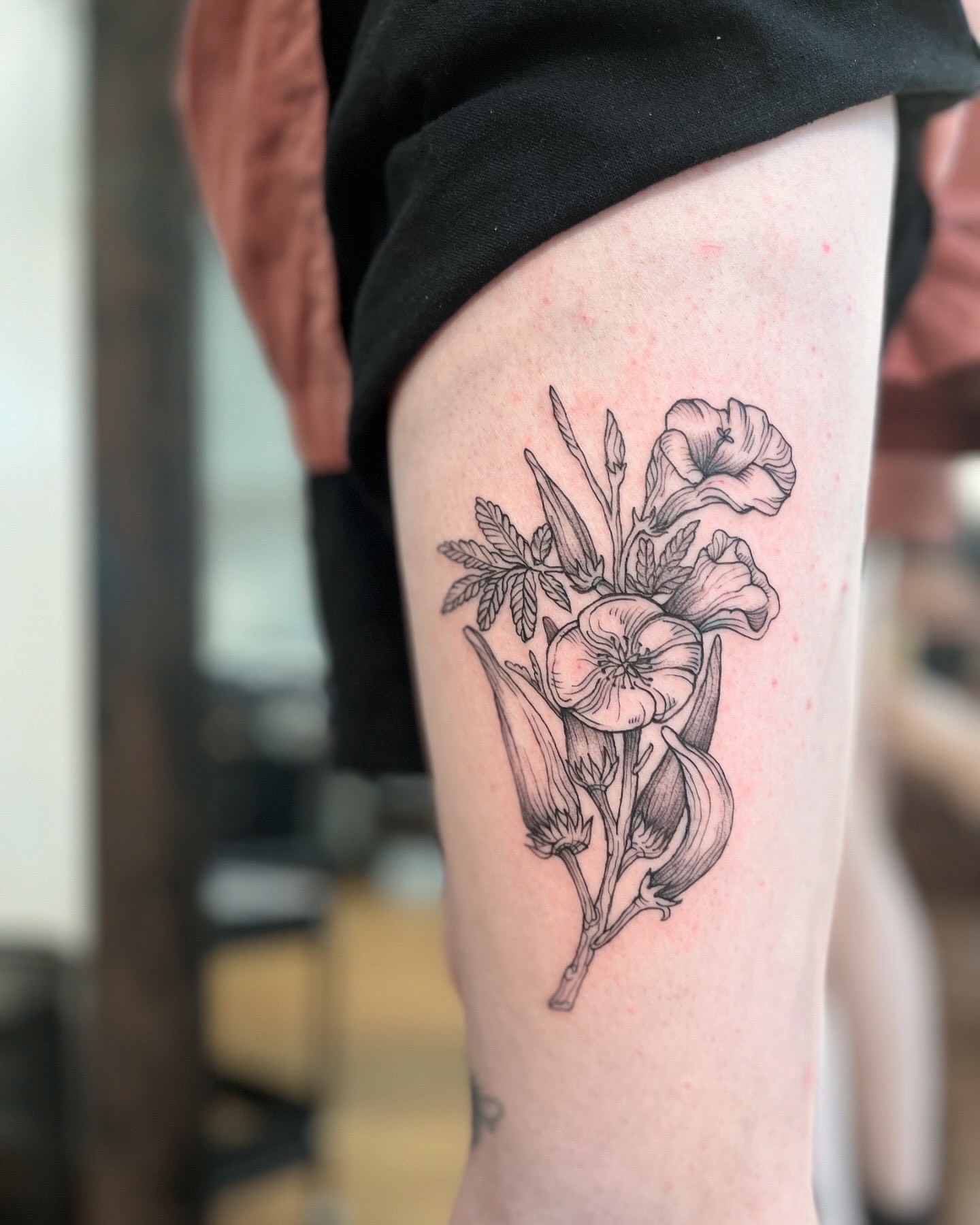
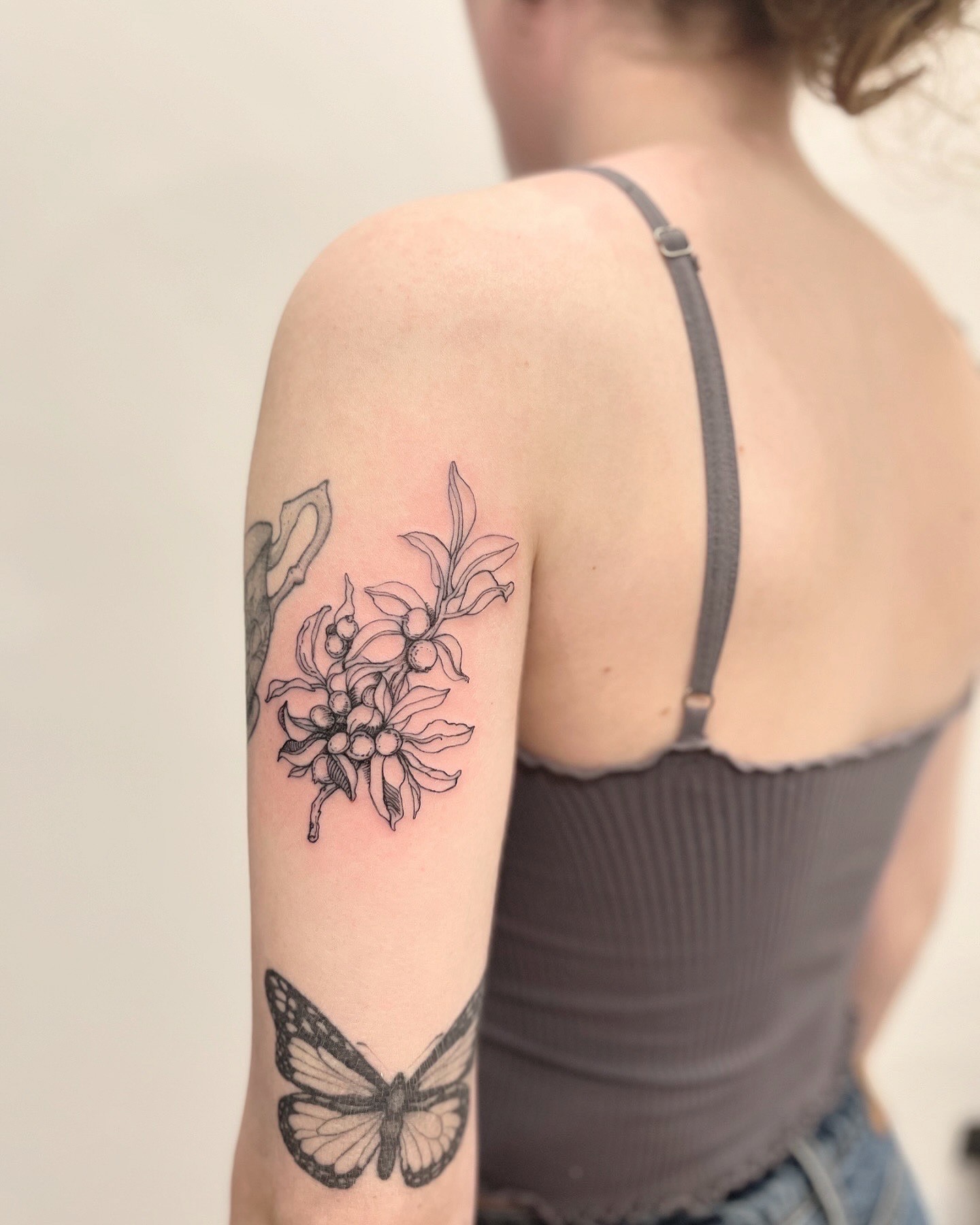
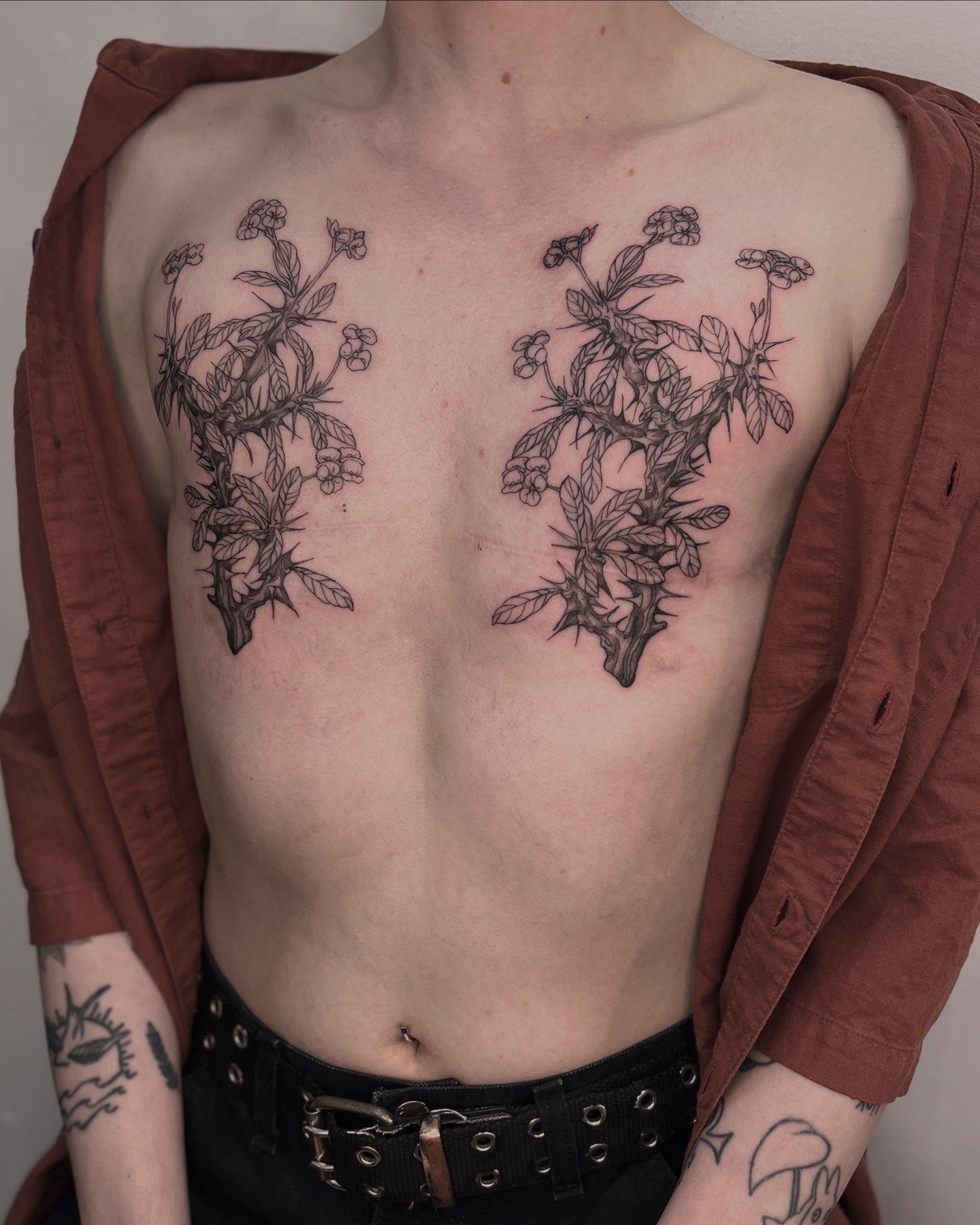
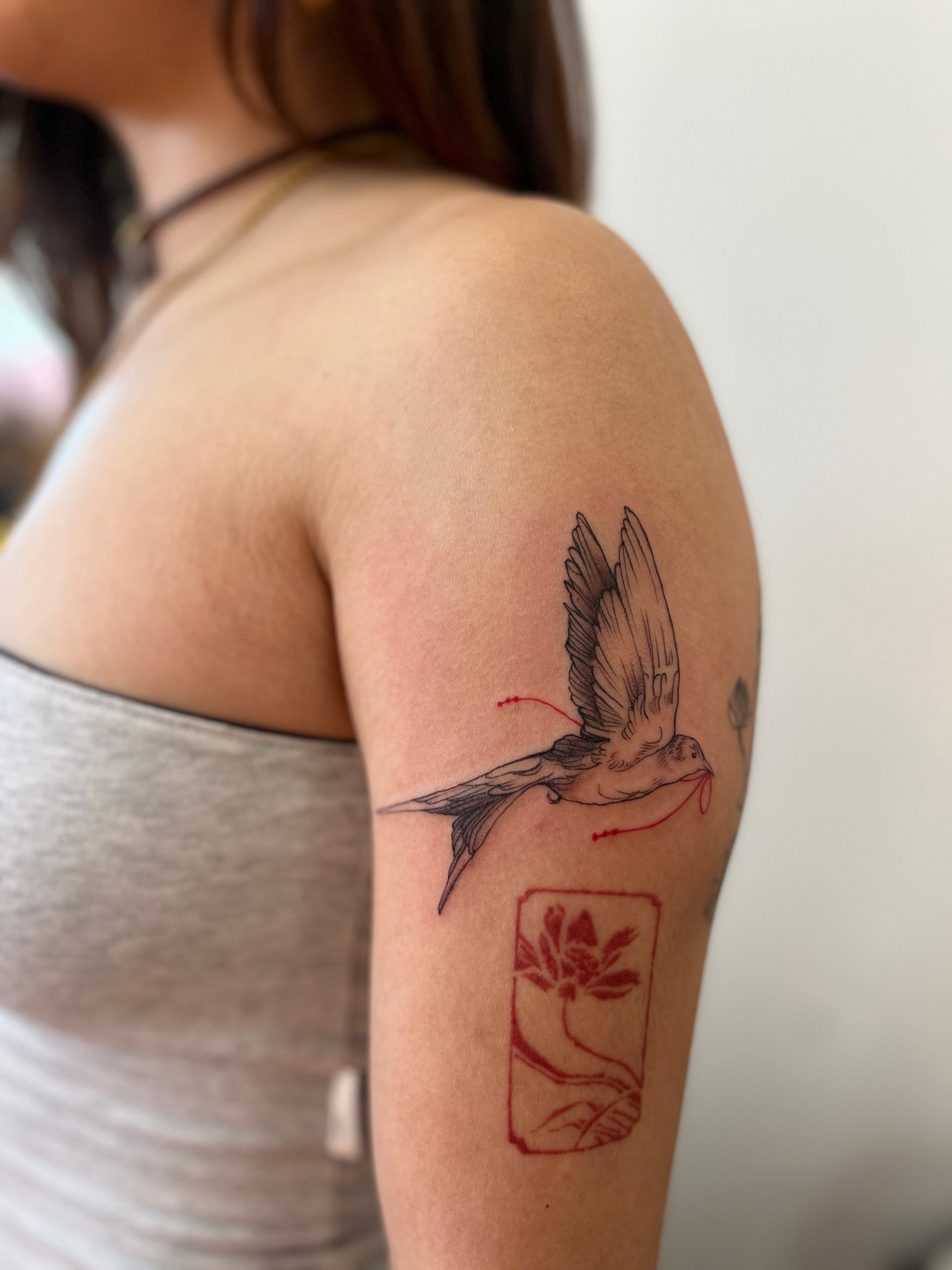
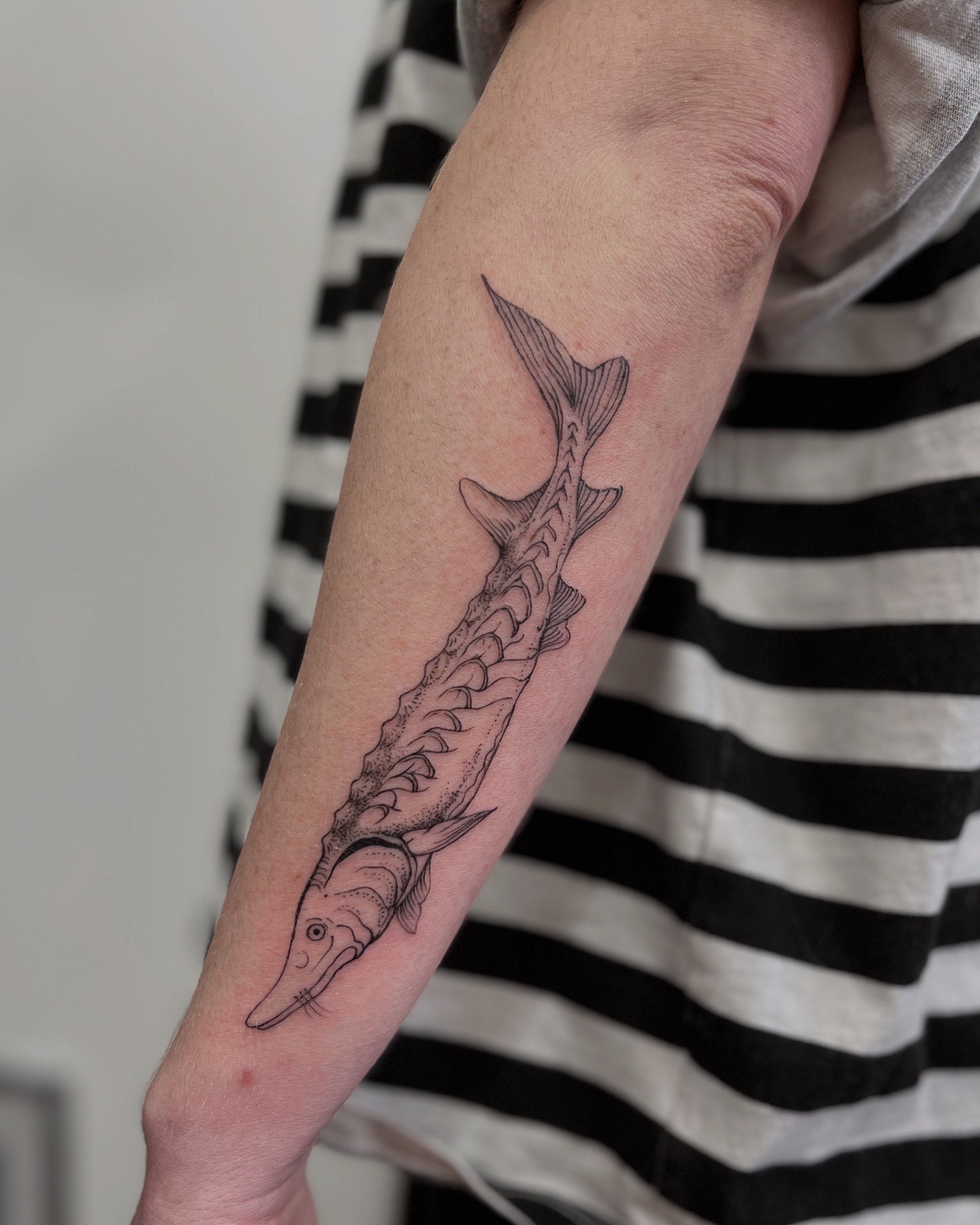
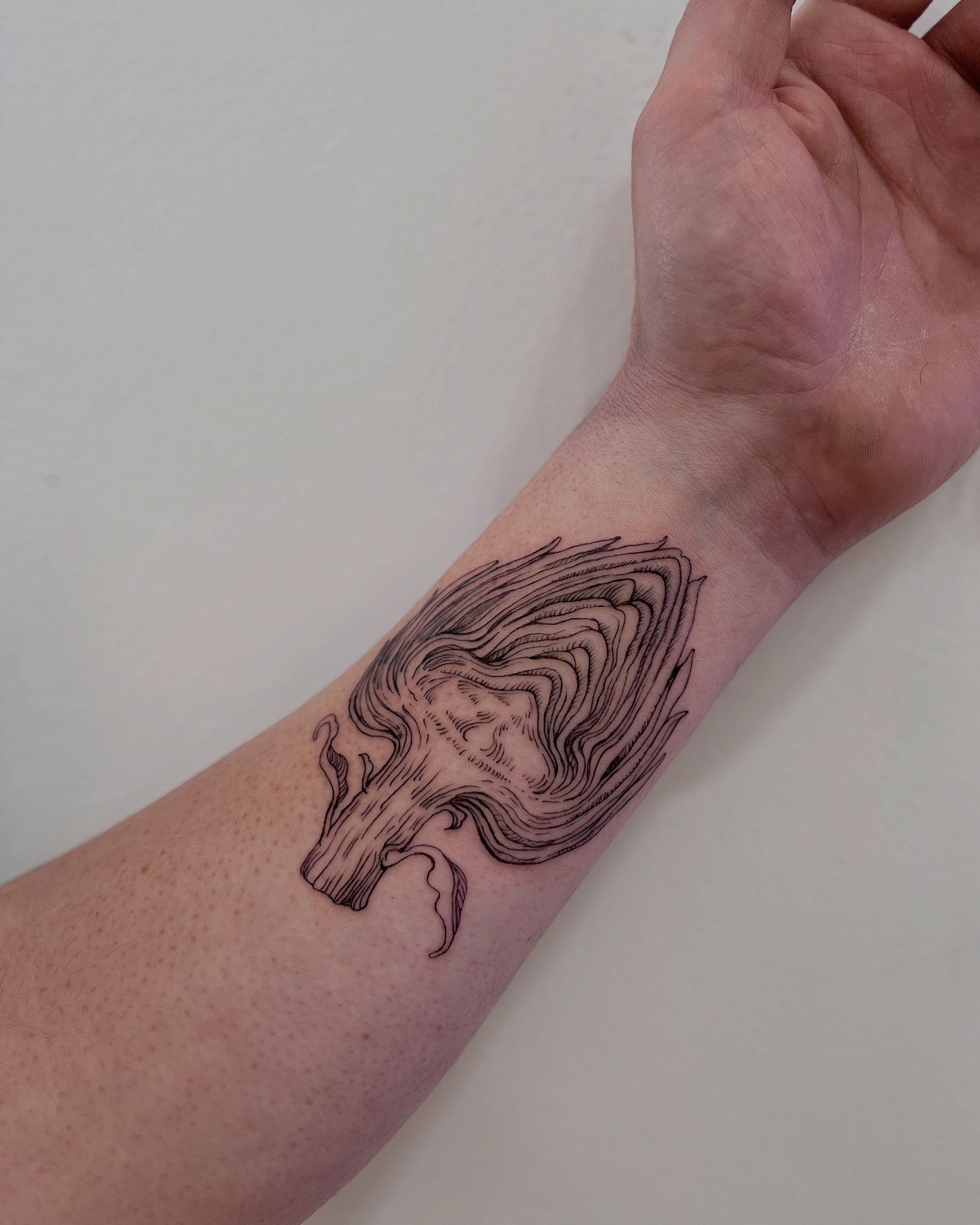
Nature is central to my practice. I return again and again to botanical forms: roots, vines, spores, blossoms. These living systems reflect so much of what I explore in my work—growth through adversity, interconnection, quiet resilience. In both my tattoos and illustrations, I draw plants not as decoration but as a language: one that speaks to nurture, healing, care, and survival.
Tattooing is a deeply intimate, transformative form of art that engages in deep trust and care. For myself and many of my clients, tattoos are acts of body liberation: a way to reclaim our bodies, healing ourselves through wounds and scars, or simply a sense of affirmation. It let us choose how we wanted to be seen—and, just as importantly, how we wanted to see ourselves. I work with clients who, like me, have carried shame or trauma in their bodies. Together, we use tattooing not as correction, but as celebration. As a way to mark survival. As a way to say: this body is worthy of beauty and care.
For me, my art is about creating gentle interventions. Small, lasting gestures of reclamation. I want my work to offer a kind of quiet revolution: a chance to see ourselves differently, to feel more rooted, and to believe—visibly, bodily—in the possibility of liberation.
If you had a friend visiting you, what are some of the local spots you’d want to take them around to?
I have so many amazing spots in Brooklyn for anyone looking to explore! To start the day, I’d take you to Sey or La Cabra for a perfect cup of coffee in a chic, laid-back setting—ideal for setting the tone for an artsy, aesthetic-filled adventure. Then, we could do a bit of plant shopping at The Sill or Brooklyn Horticulture, and depending on the vibe, some treasure hunting at Mother of Junk, Other People’s Clothes, or L Train Vintage.
After thrifting, we’ll grab a quick lunch—nothing beats the fresh BLT summer sandwich at La Cantine. If you’re in the mood for something sweet, Heytea is a gem for bubble tea lovers. For some active fun, we could head to Xanadu for roller skating, or take a scenic walk in Dumbo for that classic Brooklyn experience.
Later, I’d check out what’s happening at Public Records or Knockdown Center—both are amazing venues with electric vibes and often have great events or live shows. To wrap up the night, we’d go to Shashlik House for what I swear are the best kebabs and lamb chops in the city.
Shoutout is all about shouting out others who you feel deserve additional recognition and exposure. Who would you like to shoutout?
A major influence and inspiration for me has been Tamara Santibañez, whose work as a tattooer, writer, and thinker has expanded what tattooing can mean, especially for those of us living at the intersections of queerness, fatness, Latinx/POC identity, and resistance. I want to shout out to their book, Could This Be Magic? Their writing helped me see tattooing not just as a craft/job, but as a medium of transformation, collective liberation, intimacy, and care. I carry that lineage with me every time I pick up my machine.
Also big shout out to my partner — for being endlessly supportive, understanding, accepting, and loving. Your love language of showing up through service and quiet care means the world to me. I see you, I appreciate you, and I’m so grateful for the way you love.
Instagram: https://www.instagram.com/crispyorchids?igsh=YmEwbjZiOHA2MXFi&utm_source=qr