Meet Emily Phonhsongkham | Founder and Executive Director of Dok Kulap Sinlapakorn | Youth & Mental Health Advocate
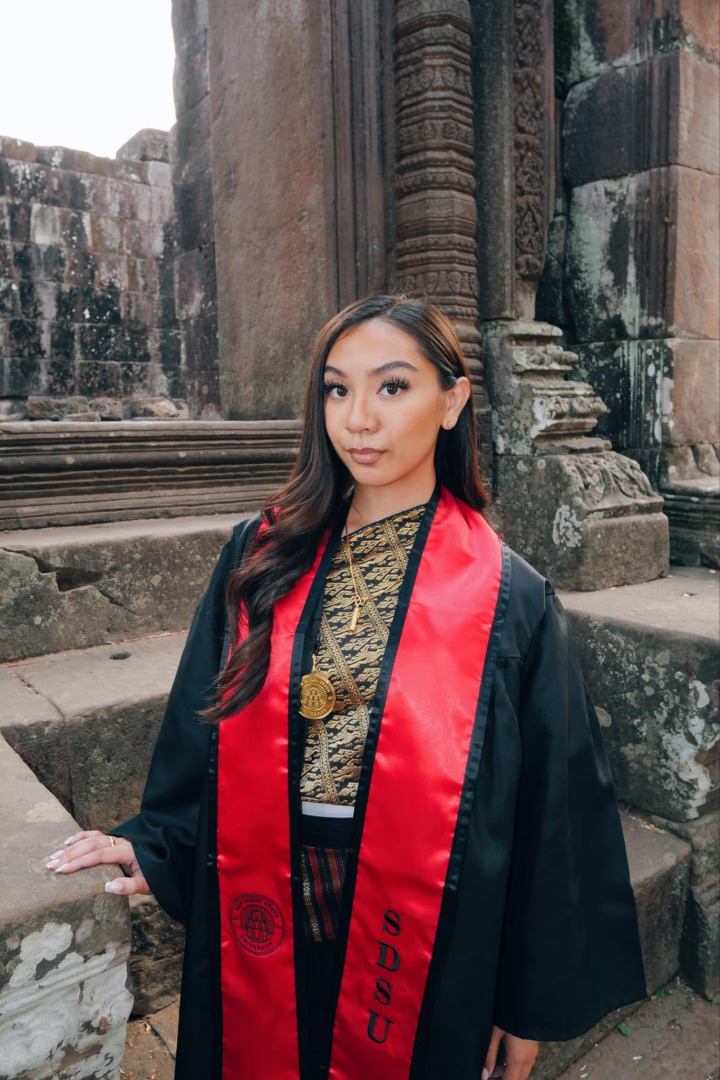


We had the good fortune of connecting with Emily Phonhsongkham and we’ve shared our conversation below.
Hi Emily, what inspires you?
I am deeply inspired by the youth. As a second-generation, Lao-American raised in a refugee household, I grew up navigating the realities of cultural barriers, financial challenges, and the pressure of unspoken expectations. A big part of my journey has been unlearning unhealthy mindsets and habits that came from survival-based ways of living. By the time I was 15, I already knew I wanted to dedicate my life to supporting teenagers who come from troubled homes. That calling came from my own experience of having a mentally and emotionally difficult upbringing in a culture that often did not emphasize the importance of mental health.
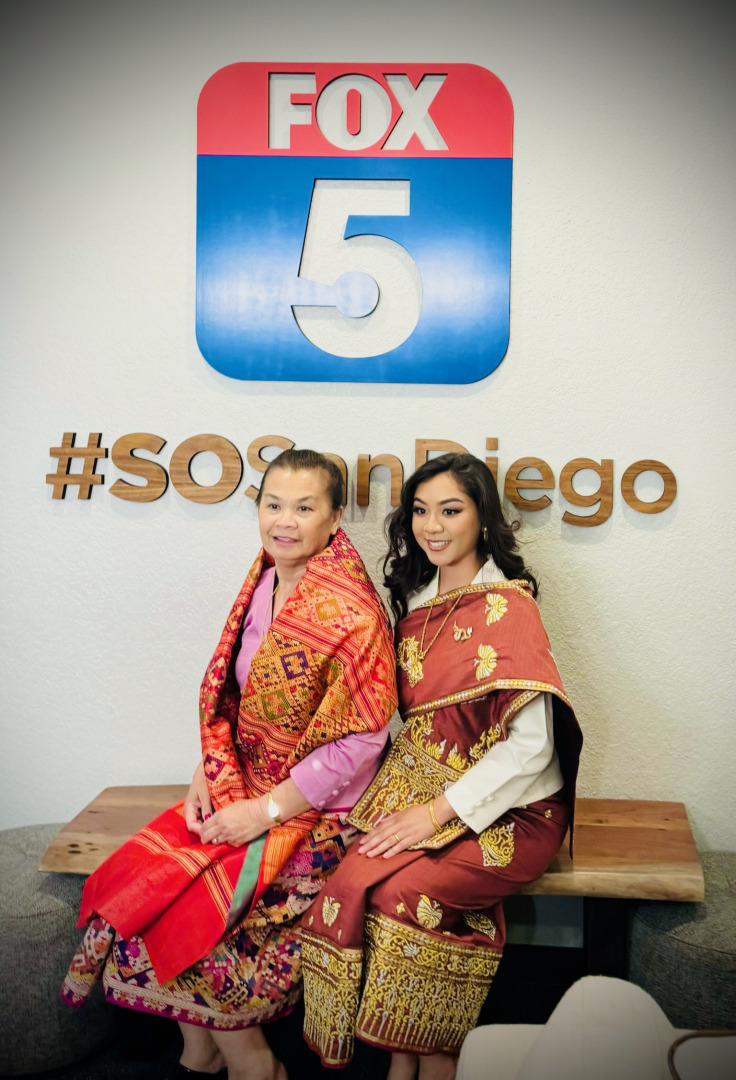
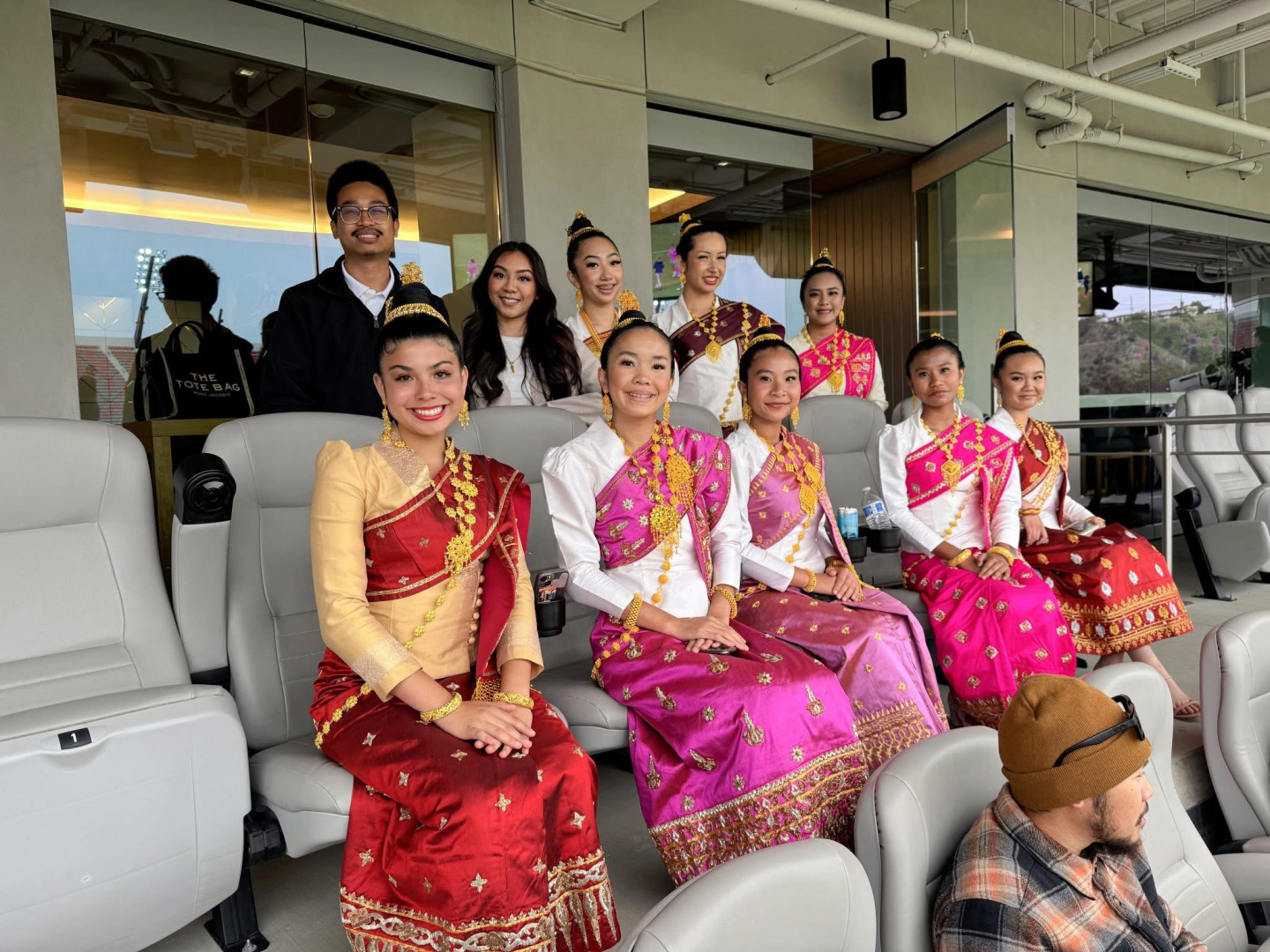
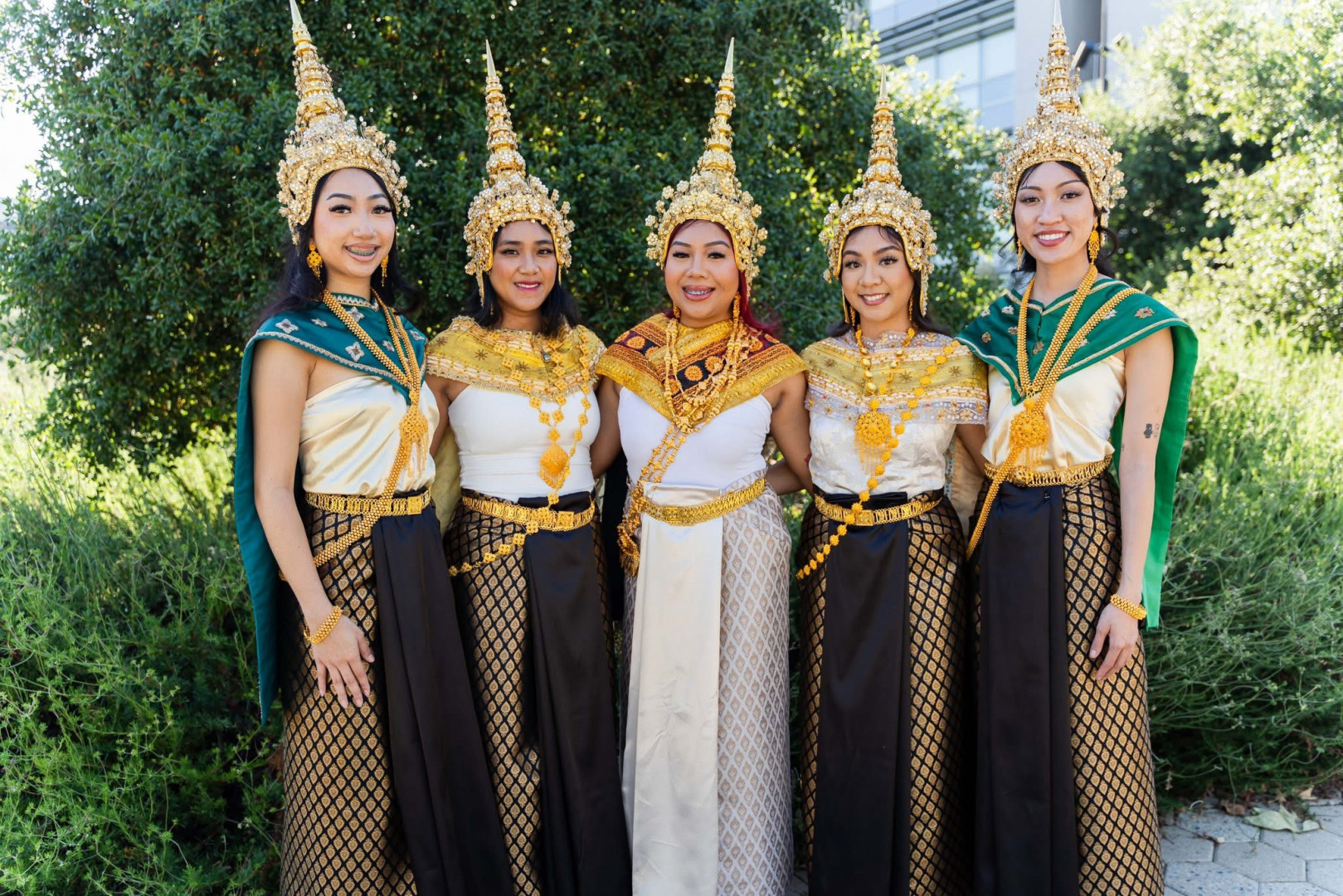
Over time, I turned that personal struggle into a passion for community building. Lao traditional dance became my foundation—it wasn’t just about art, but about reclaiming identity and showing our youth that our culture is something to take pride in. For the past 21 years, I’ve used dance as a bridge to empowerment, leadership, and healing. Through Dok Kulap Sinlapakorn, the nonprofit I founded, I’ve been able to create a space that uplifts Lao youth, celebrate heritage, and open doors to opportunities that were once limited or invisible.
My story keeps me grounded in my mission. I know what it feels like to be a young person searching for guidance, for representation, and for a sense of belonging. That’s why I continue to mentor students and remind them that their hardships don’t define them—their resilience does. At the heart of everything I do is this belief: if I can create the spaces I once needed growing up, then I’ve already succeeded.
Let’s talk shop? Tell us more about your career, what can you share with our community?
After graduating from Herbert Hoover High School, I attended Grossmont Community College, where my academic journey was far from linear. I changed my major four times—starting with Nursing, then Child Development, then Psychology, and finally settling on Sociology. Each shift reflected the process of me trying to find where I truly belonged and what would allow me to make the greatest impact. In the end, I obtained both my Associate Degrees in Psychology and Sociology before transferring to San Diego State University, where I proudly graduated in Winter 2024 with my Bachelor’s in Sociology.
My path as a scholar was not easy. I became the first Lao-American woman in my family to earn a bachelor’s degree, a milestone that carried both pride and pressure. Throughout my journey, there was little to no representation of Lao students or faculty in the spaces I occupied, which often made me feel out of place. At first, it was intimidating to walk into rooms where no one looked like me or understood my cultural background. But over time, I realized that this was exactly why I needed to be there—so I could take up space not only for myself but for the Lao community. I made it my mission to speak up about my heritage, share my culture, and educate others whenever I had the chance. By doing so, I found my voice, and by the end of every semester, I knew I had succeeded in leaving a mark.
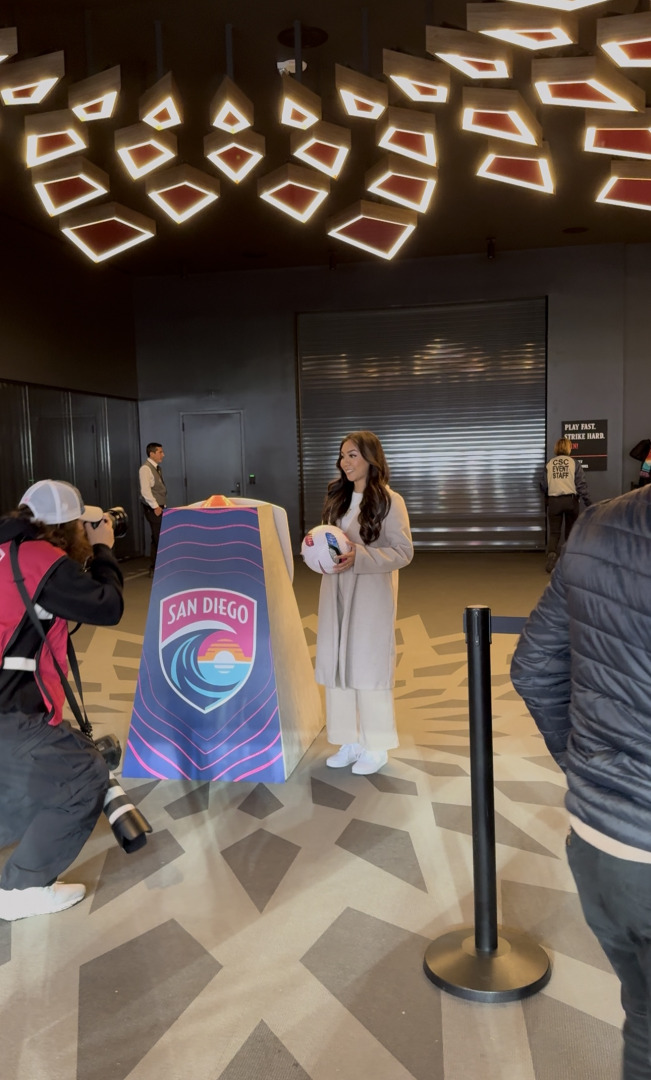
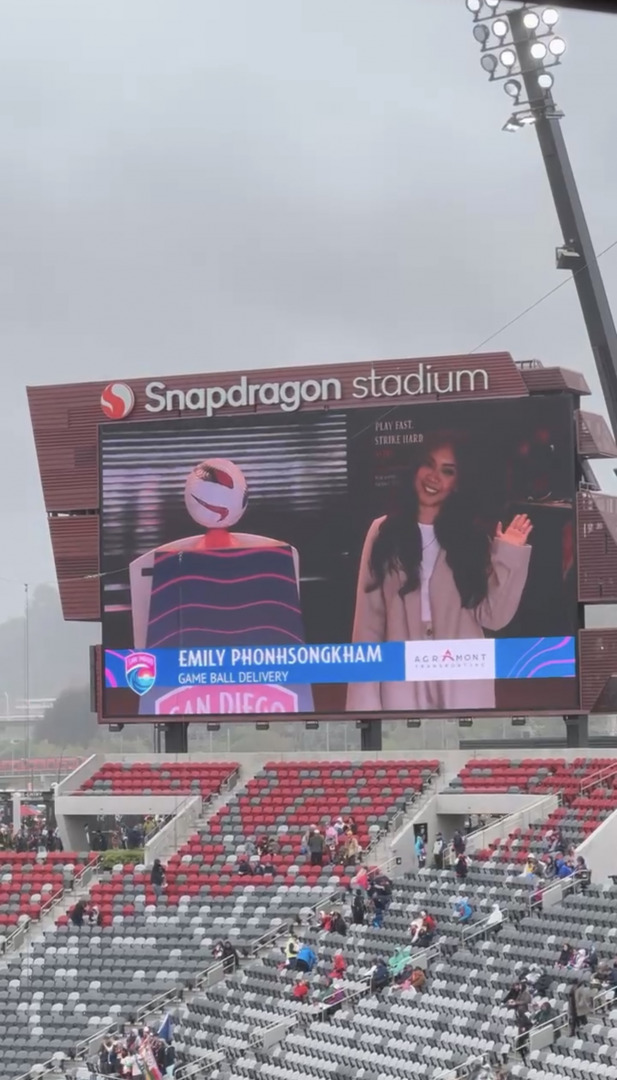
What many people don’t realize about me is that I struggle with social anxiety. They’re often surprised when I admit this, because I’ve performed on countless stages, been interviewed publicly, and even had the honor of being San Diego Wave FC’s Game Ball Deliverer—the first Lao-American to do so. But the truth is, I face my fears head-on. I approach challenges the way someone might rip off a band-aid: quickly and decisively, because I know hesitation only gives fear more power. At the end of the day, I remind myself that I am the one in control of my life and the future I am building.
One of the most important lessons I’ve learned is that we all have the power to choose how we show up every day. Everyone has the option to let difficulties define their day or to take charge of their emotions and move forward with resilience. I choose the latter. No matter what obstacles I face—whether in academics, performance, or leadership—I make sure to keep myself grounded, focused, and intentional. That mindset has carried me through some of the toughest moments of my life and allowed me to turn challenges into opportunities for growth.
If you had a friend visiting you, what are some of the local spots you’d want to take them around to?
If I had a friend visit me from out of town for a week, we would most likely visit the beaches, Civita and Balboa park. Order food or drinks from Rudfords, Crab Pub, In N Out, Chick-fil-a, Menya Ultra, Raki Raki, Up2You Cafe, Pho Ca Dao, Cali Baguette, Lee’s sandwiches, 777 Noodle House, Din Tai Fung, Gen Korean BBQ, Ding Tea, Kung Fu Tea and Potato Corner – I’m clearly a really big foodie. If it was a bar/club scene I would want to take them to Park and Rec, Fat Tuesdays or Vybz.
Who else deserves some credit and recognition?
I would love to give flowers to my former dance teacher turned mentor, Jimmy Sengthavorn. He is one of the biggest reasons why I am still so passionate about Lao performing arts today. From a young age, Jimmy instilled in me not only the techniques of traditional Lao dance, but also the pride, discipline, and responsibility that come with carrying our culture forward. His guidance shaped me both as a performer and as a leader. To this day, I carry his teachings with me every time I step on stage or work with my own dancers. Jimmy taught me that being a cultural artist is about so much more than performance—it’s about preservation, education, and inspiration. He gave me the foundation and the courage to embrace my role as a cultural bearer for the next generation.
I also want to give a major shoutout to my mother, Viengmany, who has been the backbone of my journey since the very beginning. She became my “dance mom” when I was only four years old, and over the years, she has passed down skills that continue to shape my work. She is the one who taught me how to properly dress dancers in traditional Lao clothing and how to perfect their signature Lao buns. Even now, as her eyesight isn’t what it once was, she still shows up with the same unwavering dedication and love—helping my dancers prepare with no expectation of money or recognition. Her quiet strength and selflessness remind me every day that this work has always been a family effort. My mother’s role in preserving our culture is powerful in its own way, and I hope to honor her legacy through the work I do.
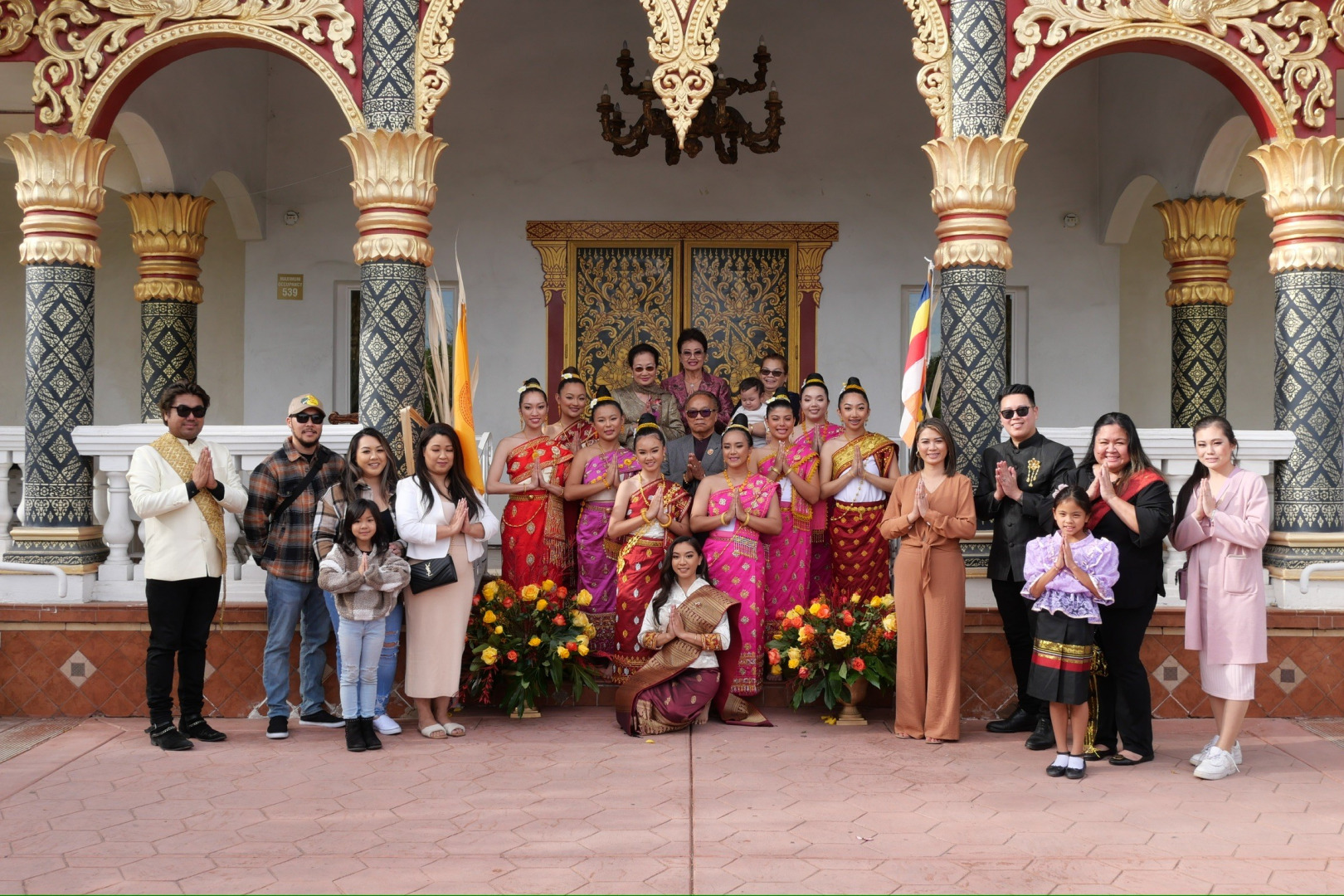
Beyond my immediate mentors, I also want to recognize the elders in my Lao community who have supported me every step of the way. Their encouragement and belief in me have carried me through challenges and given me the strength to keep pushing forward. One of those community leaders is Tom Sayarath, who has graciously provided opportunities for my nonprofit to perform cultural showcases at his Lao New Year events at Wat Lao Buddharam every April. These opportunities not only allow us to share our heritage with the community, but also give my dancers the platform to grow in confidence and pride. Leaders like Tom embody what it means to uplift the next generation, and I am endlessly grateful for his commitment to ensuring that our traditions remain alive and visible.
Instagram: https://www.instagram.com/laotianems/?hl=en
Linkedin: https://www.linkedin.com/in/emily-phonhsongkham/
Facebook: https://www.facebook.com/emily.phonhsongkham.2025
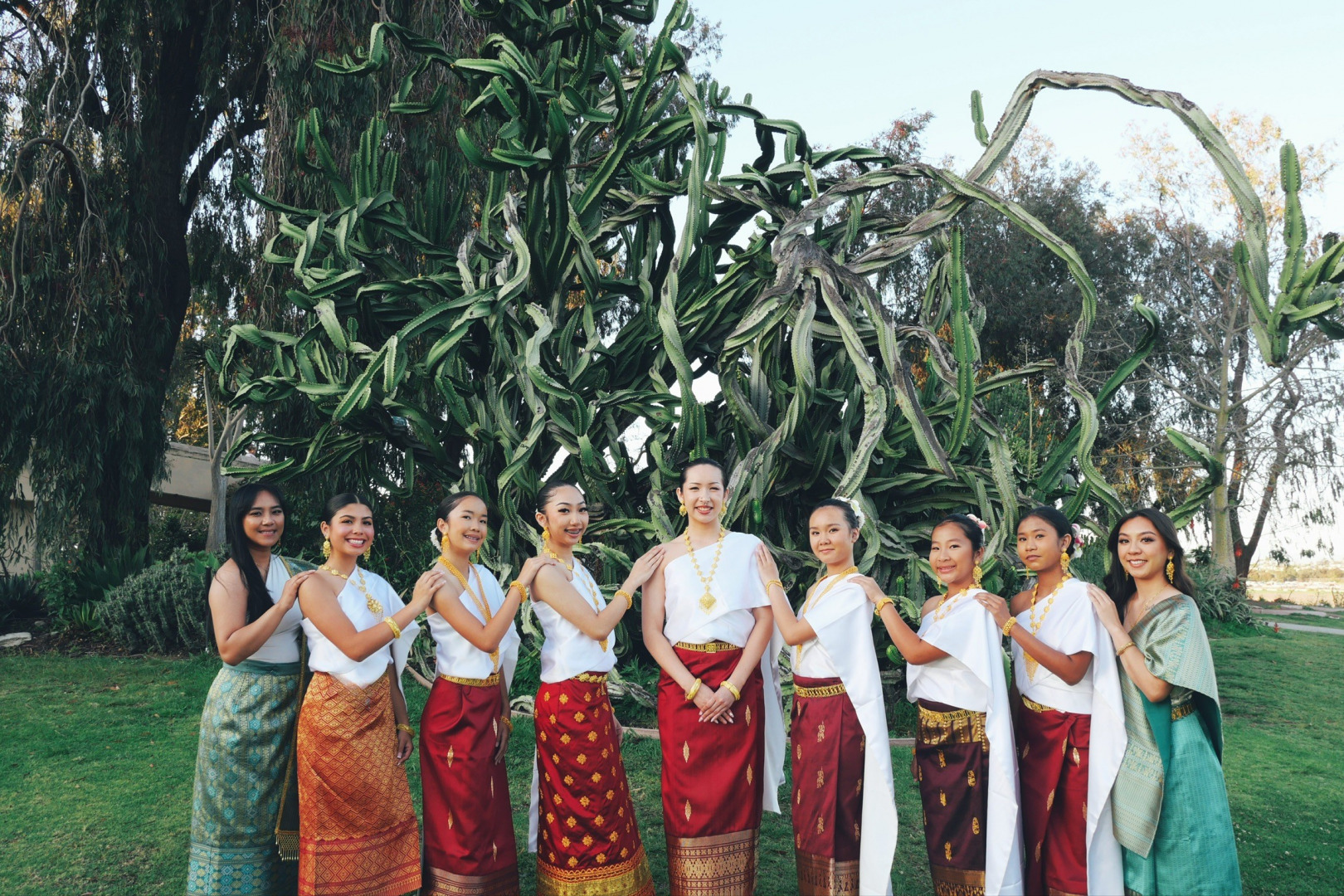
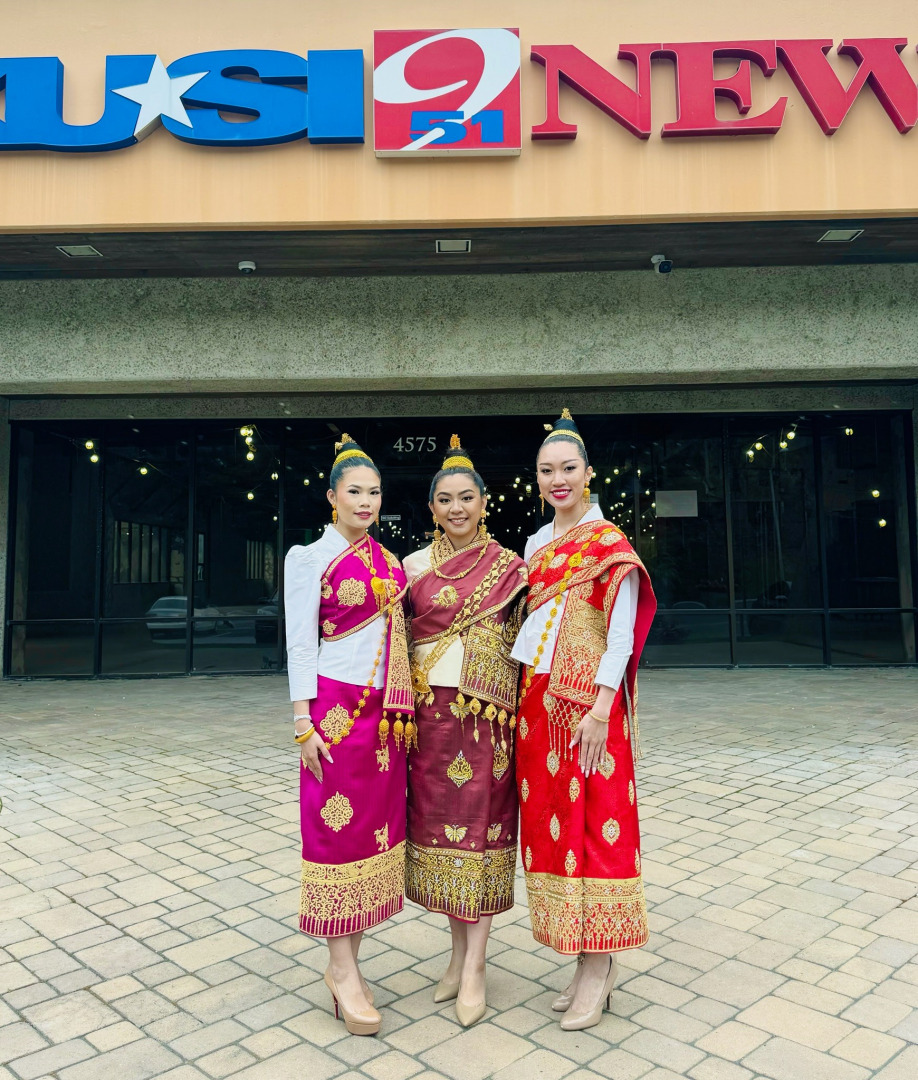
Image Credits
Konthong Khisirivong