Meet Kate Paul | Contemporary Abstract Calligraphy Artist
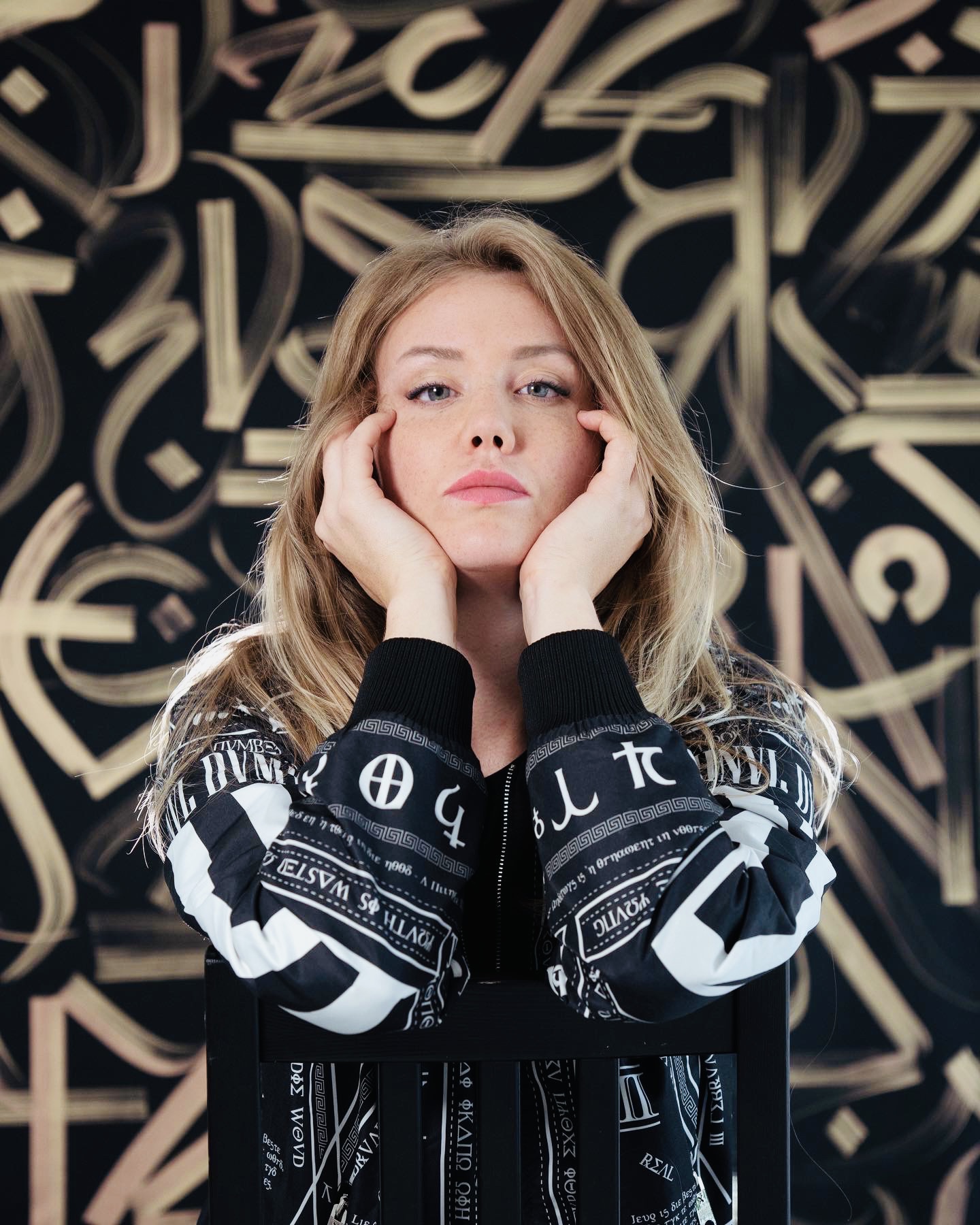


We had the good fortune of connecting with Kate Paul and we’ve shared our conversation below.
Hi Kate, we’d love to hear more about how you thought about starting your own business?
I graduated from the Academy of Fine Arts in Wrocław, Poland. I’m deeply grateful for that education. It gave me real painting skills, discipline, and a strong foundation. But like many young artists, I left with a diploma and very little understanding of how the art market actually works.
At school, you live in a certain bubble. You talk about concepts, symbolism, artistic identity. There’s this unspoken belief that being part of an artistic elite or bohemian world is somehow enough. But outside of that environment, nobody is waiting to “discover” you.
When I graduated, the art market in Poland was still developing. There wasn’t a clear system or structure to enter. So I had to ask myself a simple question: do I want to be someone who paints, or do I want to build a real career as an artist?
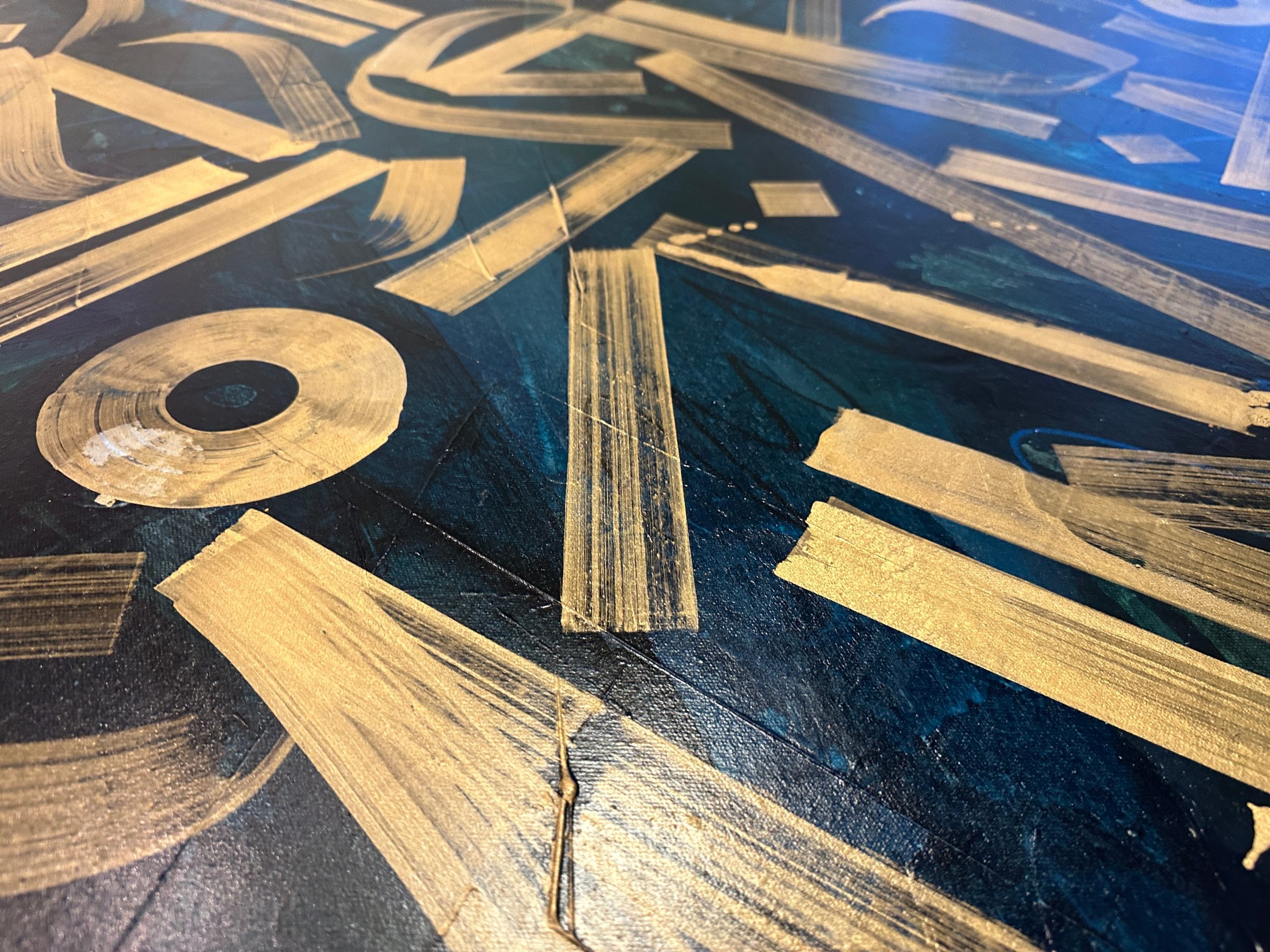
That required thinking differently. Less about image, more about strategy. Less about being “artistic,” more about being consistent and visible. My natural thought was: the internet exists. Why limit myself geographically? So I opened an Instagram account. At the beginning, I only posted details of my paintings: fragments, close-ups, textures. It was very simple. Very raw.
Two months later, I was contacted by two established galleries. One in La Jolla, California, and another in Miami. That was early, and it surprised me. It showed me that even from a studio in Poland, you can reach far beyond your immediate environment.
It didn’t mean everything became easy. But it gave me confidence. It confirmed that going global wasn’t naive and it was realistic.
From that point on, I treated my practice seriously not only as art, but as a long-term structure. Clear pricing. Professional communication. International logistics. Real partnerships.
I never wanted to wait for permission to call myself an artist. I wanted to build something solid enough that the market would respond.
Can you open up a bit about your work and career? We’re big fans and we’d love for our community to learn more about your work.
I think what truly sets me apart is the region I come from and the mindset it shaped in me. Poland sits between East and West, and you feel that tension growing up.
Where I live, there are old palaces left to decay. Some were destroyed during the war. Others were intentionally stripped under communism. Libraries disappeared. Furniture was burned. Anything that carried continuity, history or aesthetic value was removed. When you disconnect people from their past, you reshape how they think.
Growing up around that absence made me sensitive to what survives.
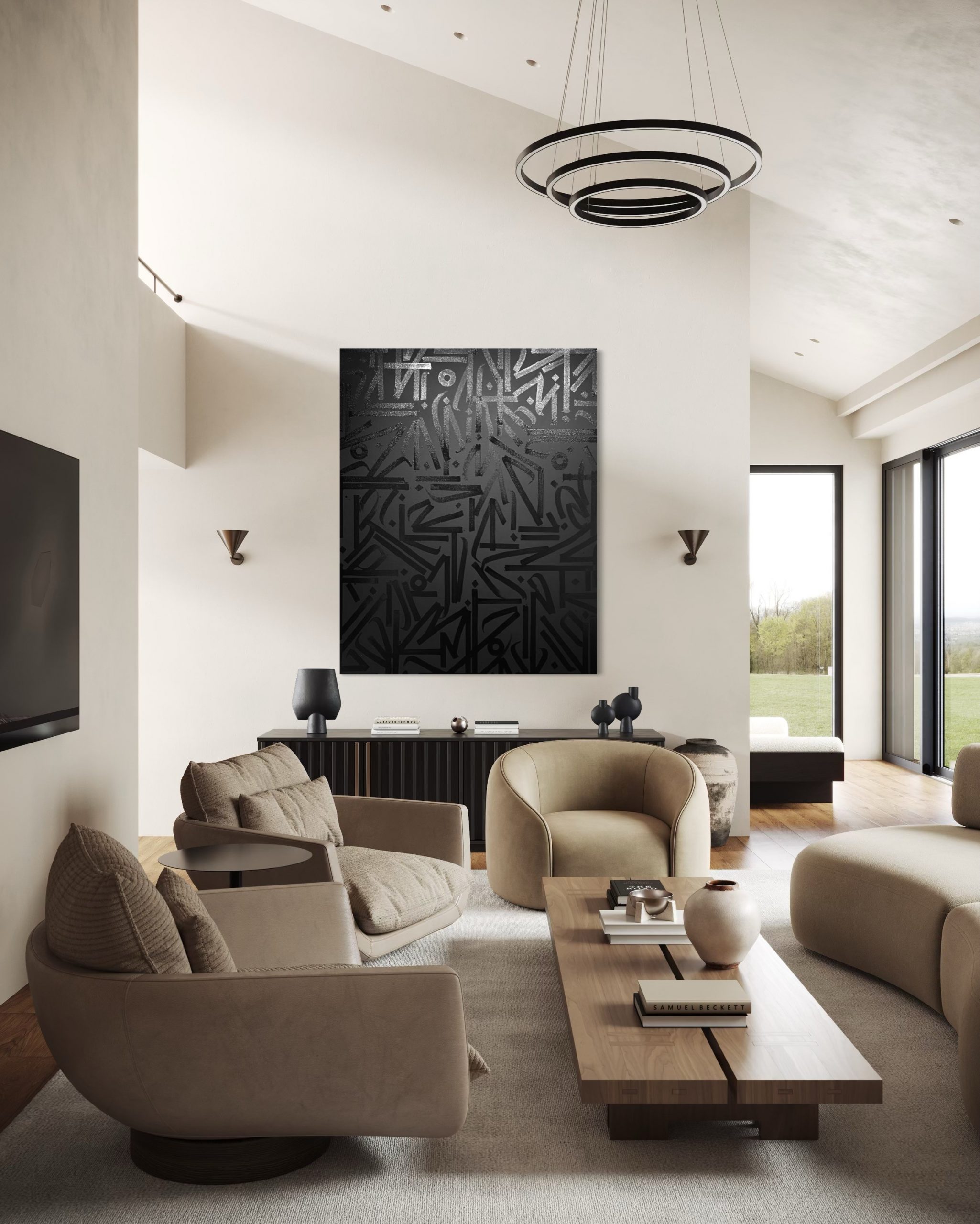
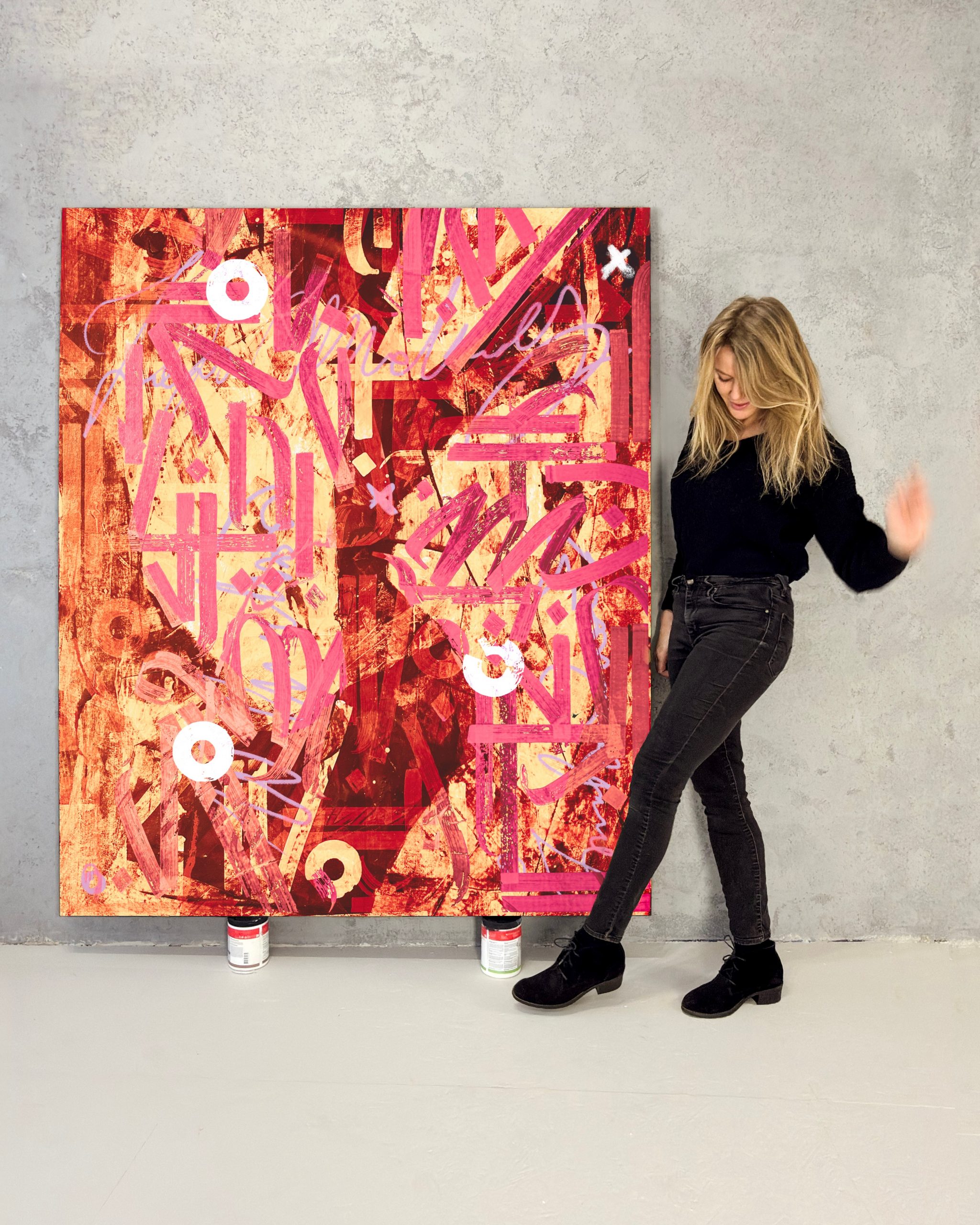
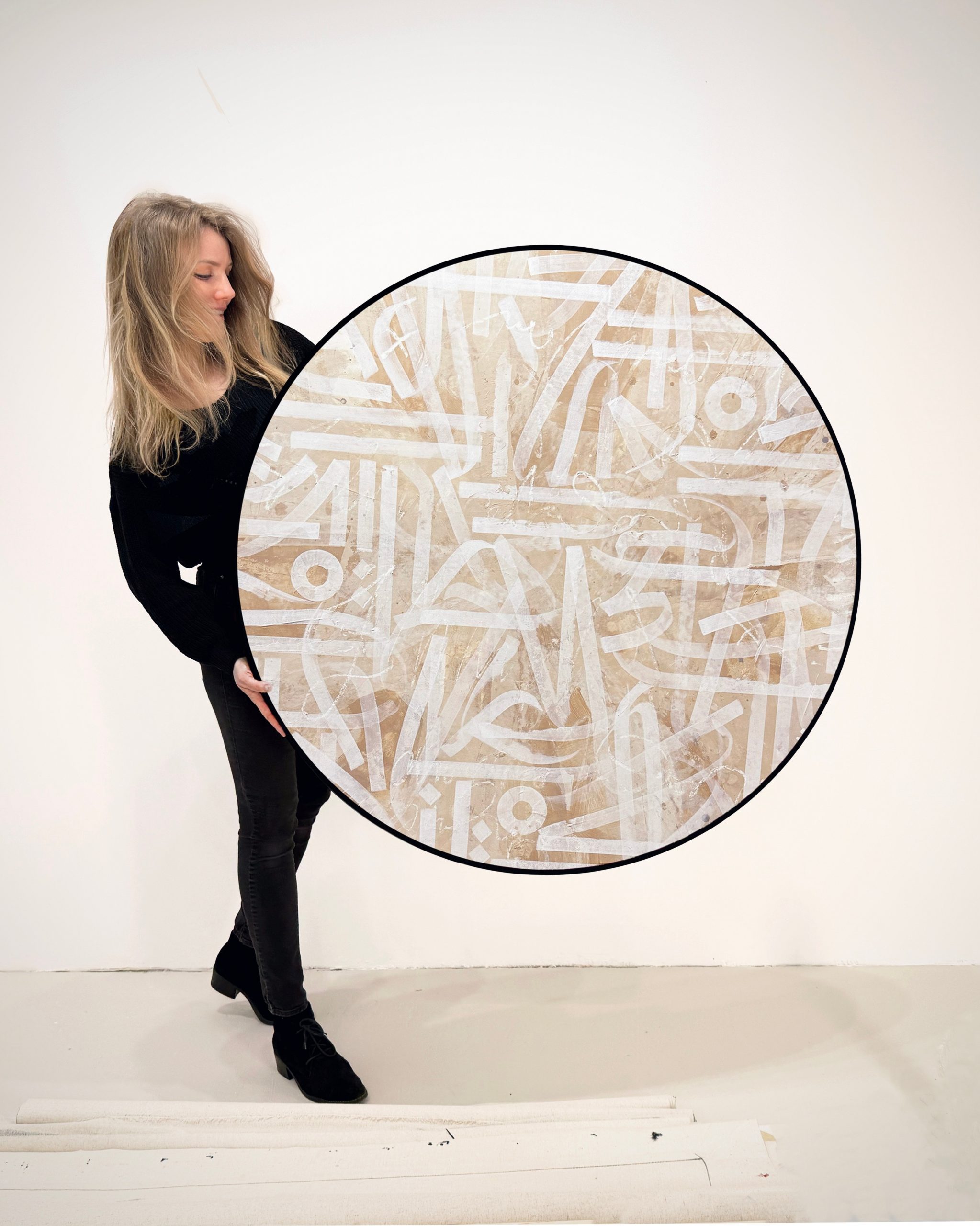
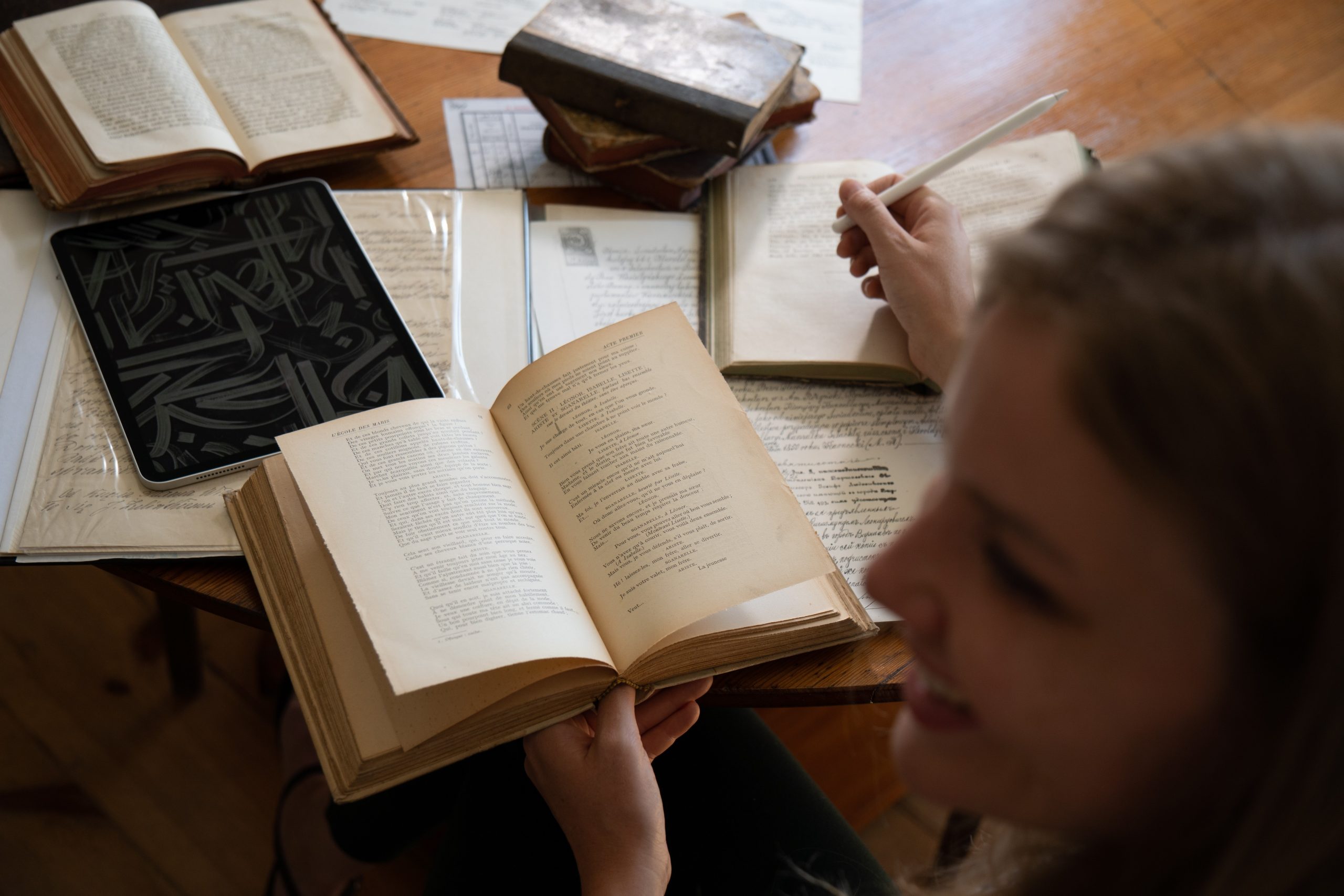
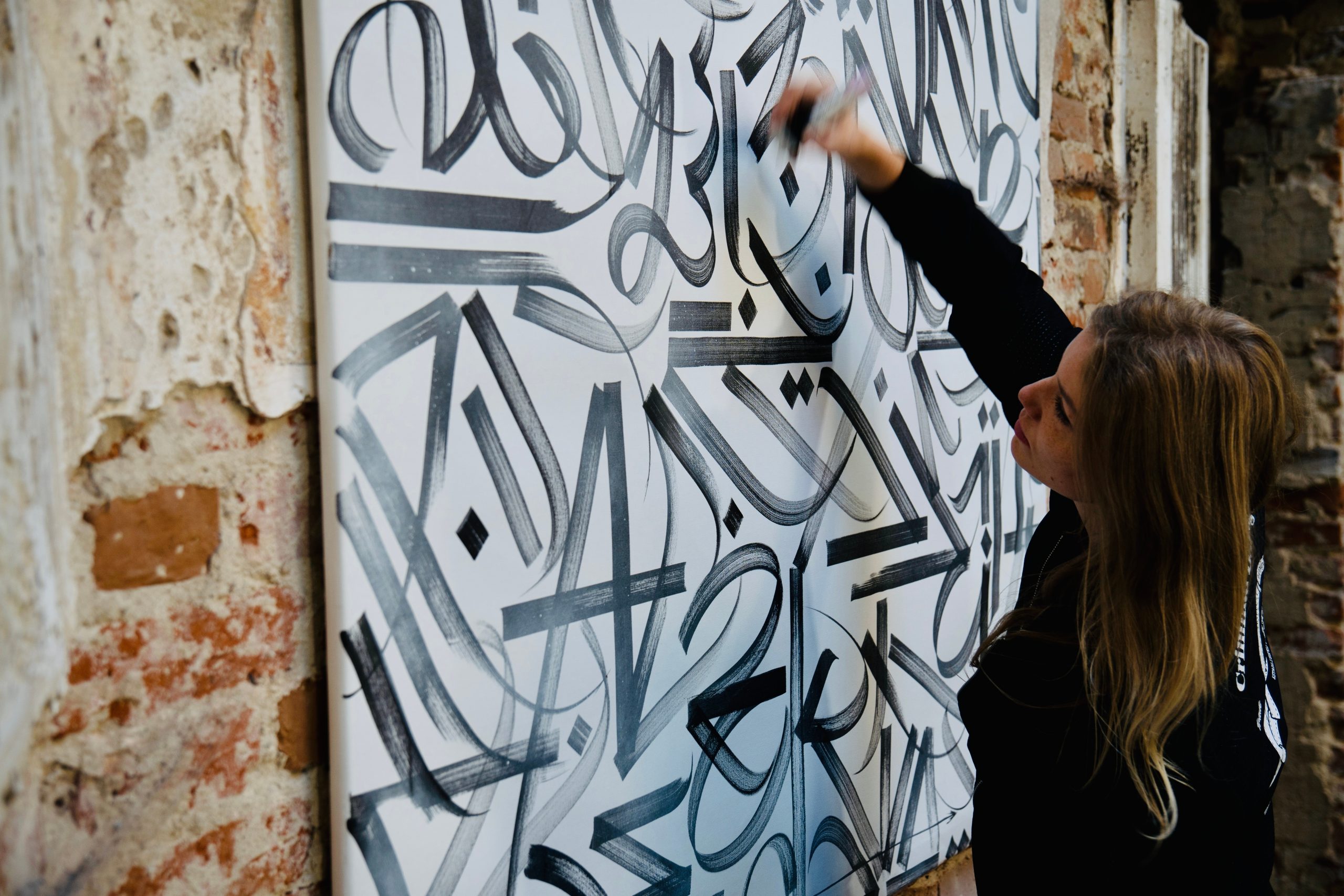
My work sits within abstract calligraphy, but it didn’t begin with an interest in beautiful letters. It began with the understanding that language can disappear. I grew up surrounded by overlapping traces of alphabets and cultures. Some surviving, others erased. That early awareness shaped how I see writing: as evidence.
From a distance, calligraphic abstraction can look similar across artists. I don’t see that as competition. Art doesn’t move in straight lines, and debates about who was first don’t interest me. Once you focus on building your own language, comparison fades. The differences are in structure, intention and depth. What looks spontaneous in my work is constructed, researched, layered.
Getting here wasn’t easy. I started without collectors, without a system, without certainty. Art school gave me craft, but it didn’t teach me how to build a career. I had to learn pricing, logistics and positioning on my own, and I had to present my work in a language that wasn’t my native one, which in the beginning was a real challenge. Building my career was uncomfortable at times. But it forced me to think long-term instead of chasing quick validation. Over time, I began working on larger, multi-piece projects where scale, light and architecture became part of the composition. There was a moment when I understood that my paintings weren’t just objects on a wall but they were changing how a space felt.
What I’m most proud of is that I never diluted the core of what I do to fit trends. In my paintings, I see strong references to classical painting. Layered backgrounds that are not literal, restrained palettes even within stronger colors. I will never follow trends. It would feel unnatural to me. There’s a rebel in me, but I also value elegance and a professional presentation. At the Academy, I was often criticized for a certain nonchalance, and it was true. A part of me never fully believed in the academic narrative of thinking about oneself as part of an “elite.” We are more than a hundred years past the time when those values could truly divide society.
The biggest lesson I’ve learned is that clarity matters more than noise. You don’t need to be everywhere. You need to know exactly why you are doing what you’re doing. You don’t have to fit everyone. Just find your niche and work within it. Of course, stay alert to change and risk, but don’t lose your direction.
If there’s one thing I’d want the world to understand about my work, it’s that it comes from a very real place. It’s not aesthetic experimentation. It’s a response to history, to loss, to continuity. My paintings rebuild what is fading: letters, gestures, signs and narratives carried more by line than by spoken language. I reconstruct characters or break them apart, like fragments of languages kept alive only in memory. My work deals with what feels essential: division, loss of language, ruptured communication and the trace that still survives in the sign when the wor(l)d collapses.
If you had a friend visiting you, what are some of the local spots you’d want to take them around to?
I would probably disappoint them! I wouldn’t start with a checklist of “must-see” places. Cities reveal themselves differently to everyone, and the most interesting moments usually happen outside the obvious spots.
I’d begin early in the morning, before the city fully wakes up. A long walk with no fixed destination. The best way to understand a place is to notice how people move through it. How they order coffee, how they argue, how they sit in silence. It says so much about the character of a city. Once you start paying attention to the details, you realize how profoundly different groups of people can be.
We’d spend time in spaces that hold contrast: something old next to something new, something polished next to something slightly broken. I’m always interested in tension!
I’d avoid rushing. No overplanning. Leave space for conversation, for getting lost, for sitting somewhere longer than expected. Observing a city this way allows you to see it as a living organism. It has tissues and organs performing their functions, a surface like skin, and layers beneath – depth, even an undercurrent. I find that endlessly fascinating and deeply inspiring. I love absorbing the character of different cities, whether it’s San Diego, New York, London or Wrocław.
If I could give one universal piece of advice, it would be this: don’t try to consume a city. Let it unfold. Walk slower. Look up. Notice details. The real atmosphere is always in the margins.
Who else deserves some credit and recognition?
I owe a lot to the people who believed in me before there was any proof that this would work. I’d actually start with my family.
When I was 25, my father suddenly passed away. Around the same time, my brother left for a postdoctoral position in New York. It was just my mother and me. She had just retired. She is also a painter, but she put her artistic career aside to focus on family. I had just graduated with a painting diploma. It was one of those moments in life when things either collapse quietly, or force you to grow up fast.
My family and close friends never once suggested that becoming an artist was unrealistic. Not once. They never tried to “talk sense into me.” They believed I would find my way, even when there was no visible proof. That kind of quiet belief is powerful.
After painting, I decided to study ceramics. I was curious about process, about design thinking – a different way of approaching art than the sometimes decadent, romanticized studio culture I had known. Even physically, at the Academy, there was a clear division: painters worked in an old historic building overlooking the river and the old town, designers studied in a modern space filled with light and glass. Two mentalities, two energies.
The ceramics professors had a very direct approach. They would say: connect what you love with real life. Find your audience. Think practically. Do the work. It was simple advice, but it shifted something in me.
And then there’s the third group. The ones who truly verified my painting in the real world: gallerists and collectors. They didn’t owe me anything. They chose the work. They invested in it. They showed it. In many ways, they “discovered” me. Without them, I would still be painting but I wouldn’t necessarily be a professional painter.
So I’m grateful to all three: my family and friends for believing before there was evidence, my professors for pushing me to think strategically, and the galleries and collectors who made the work visible.
None of this happened in isolation.
Instagram: https://www.instagram.com/kate__paul
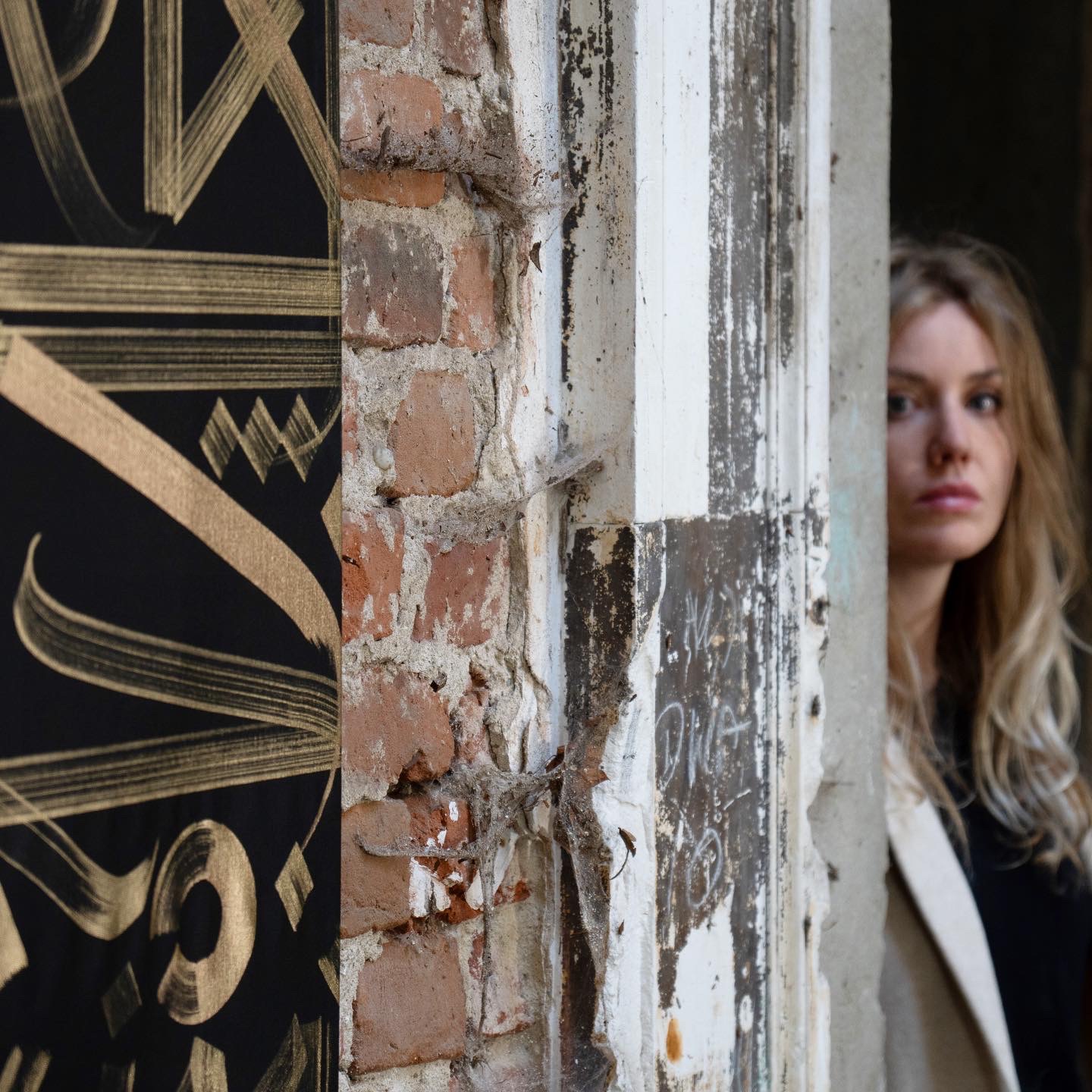
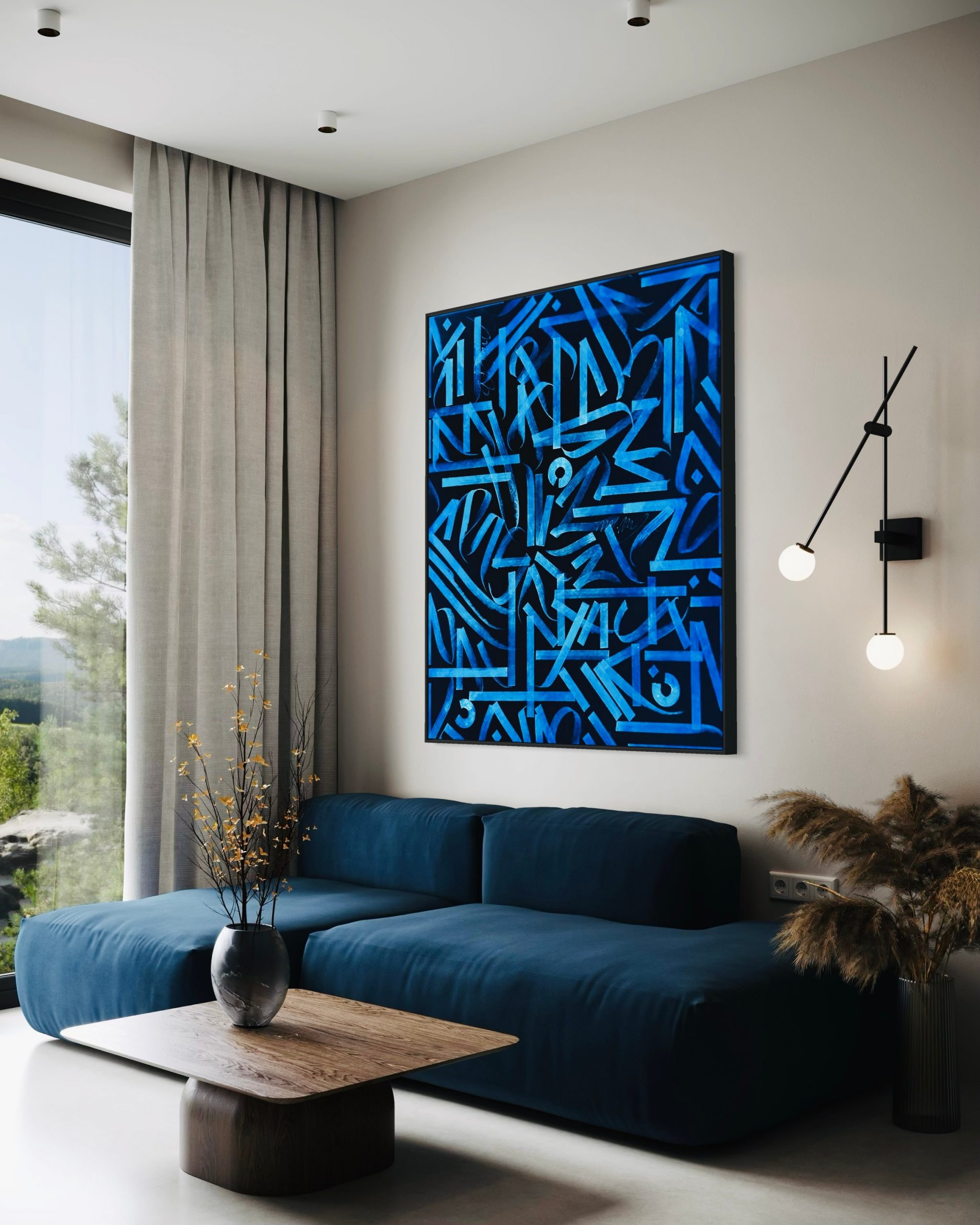
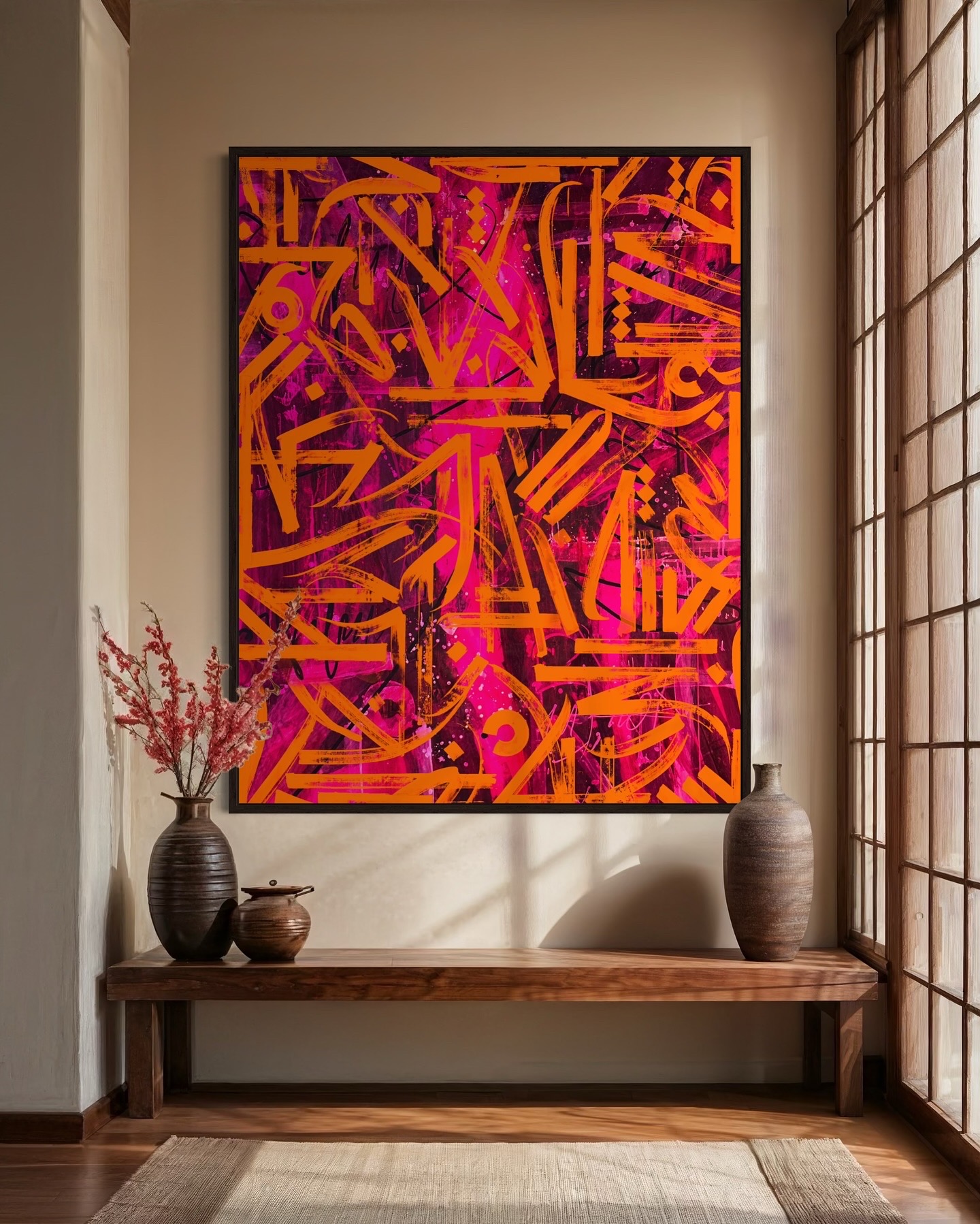
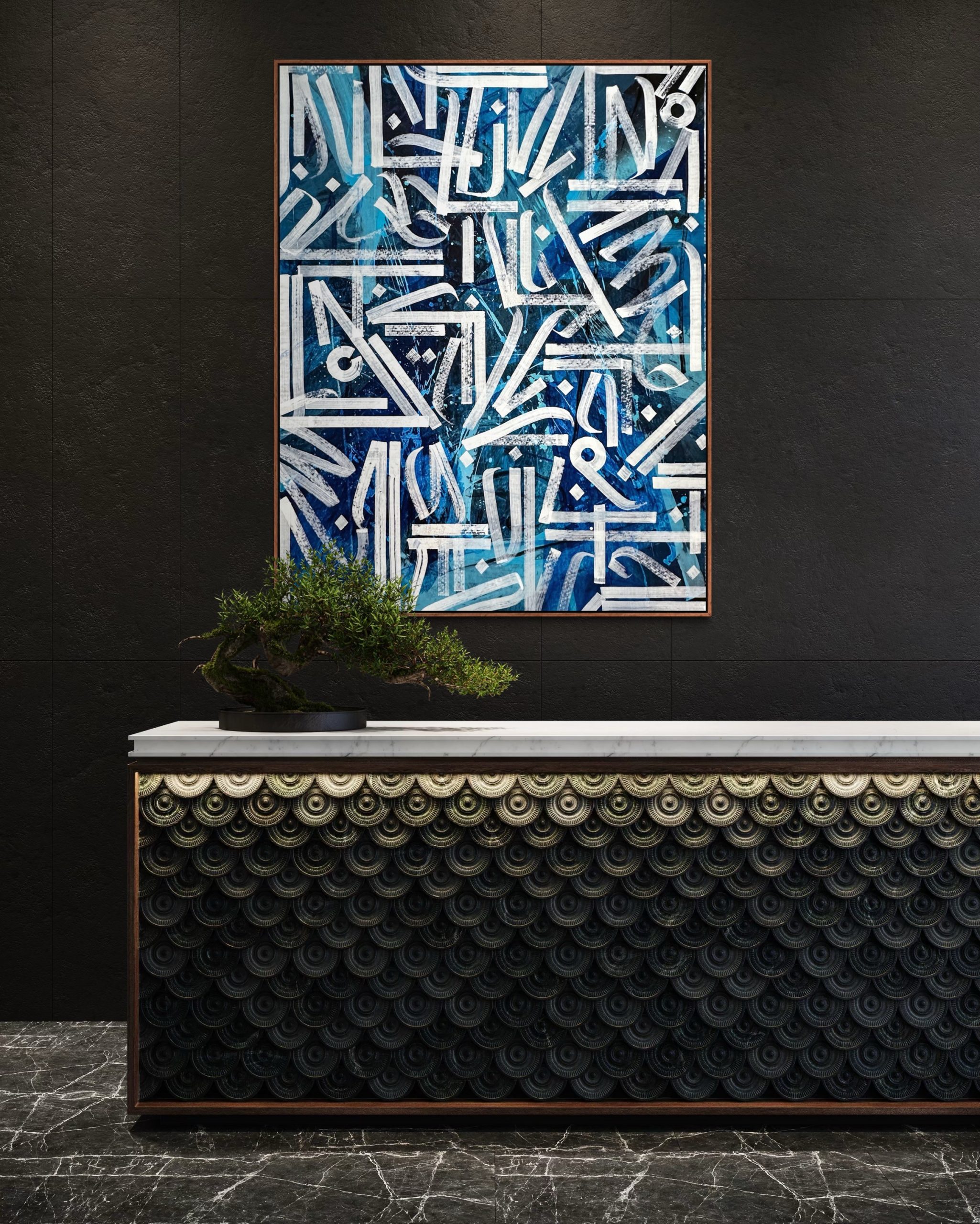
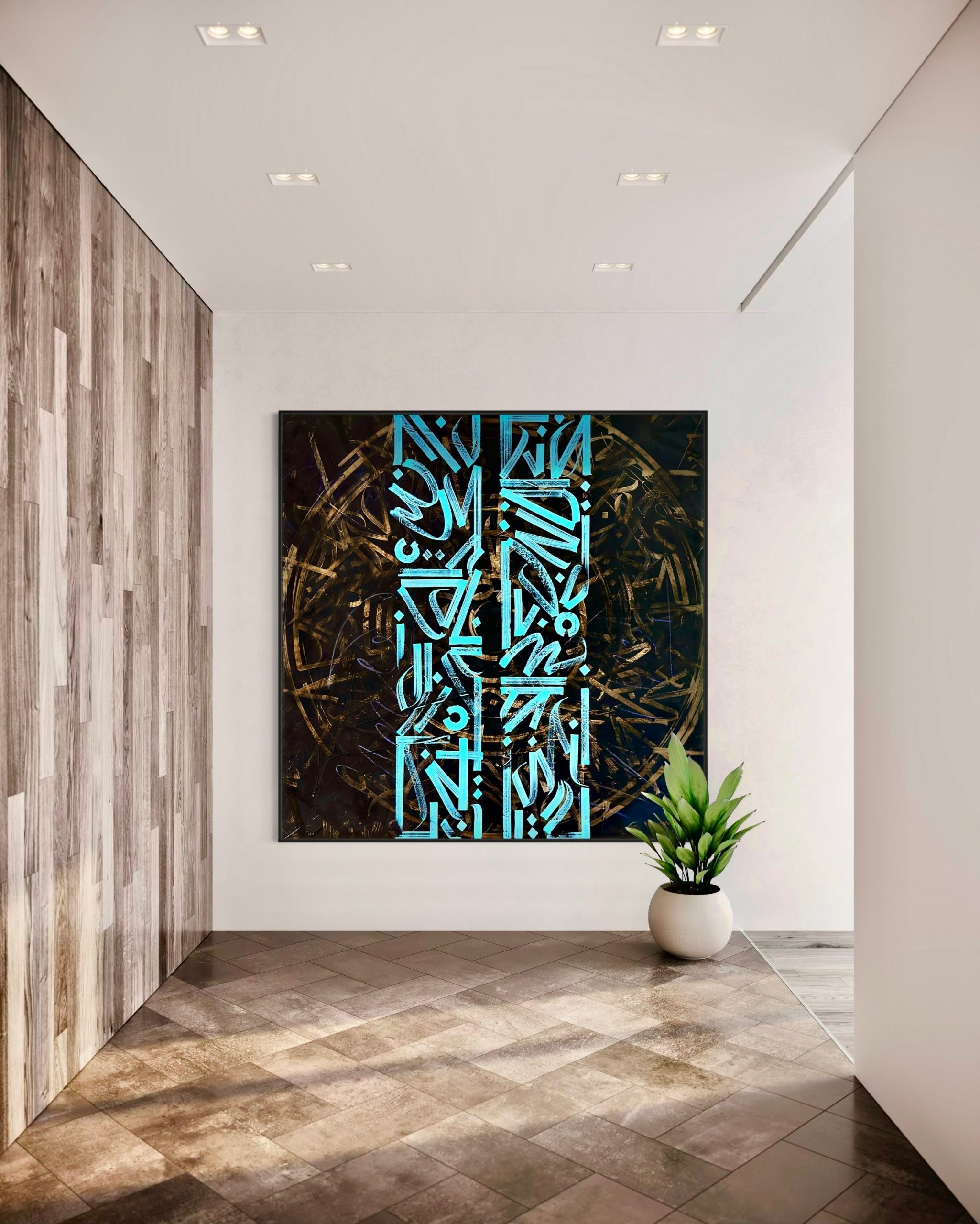
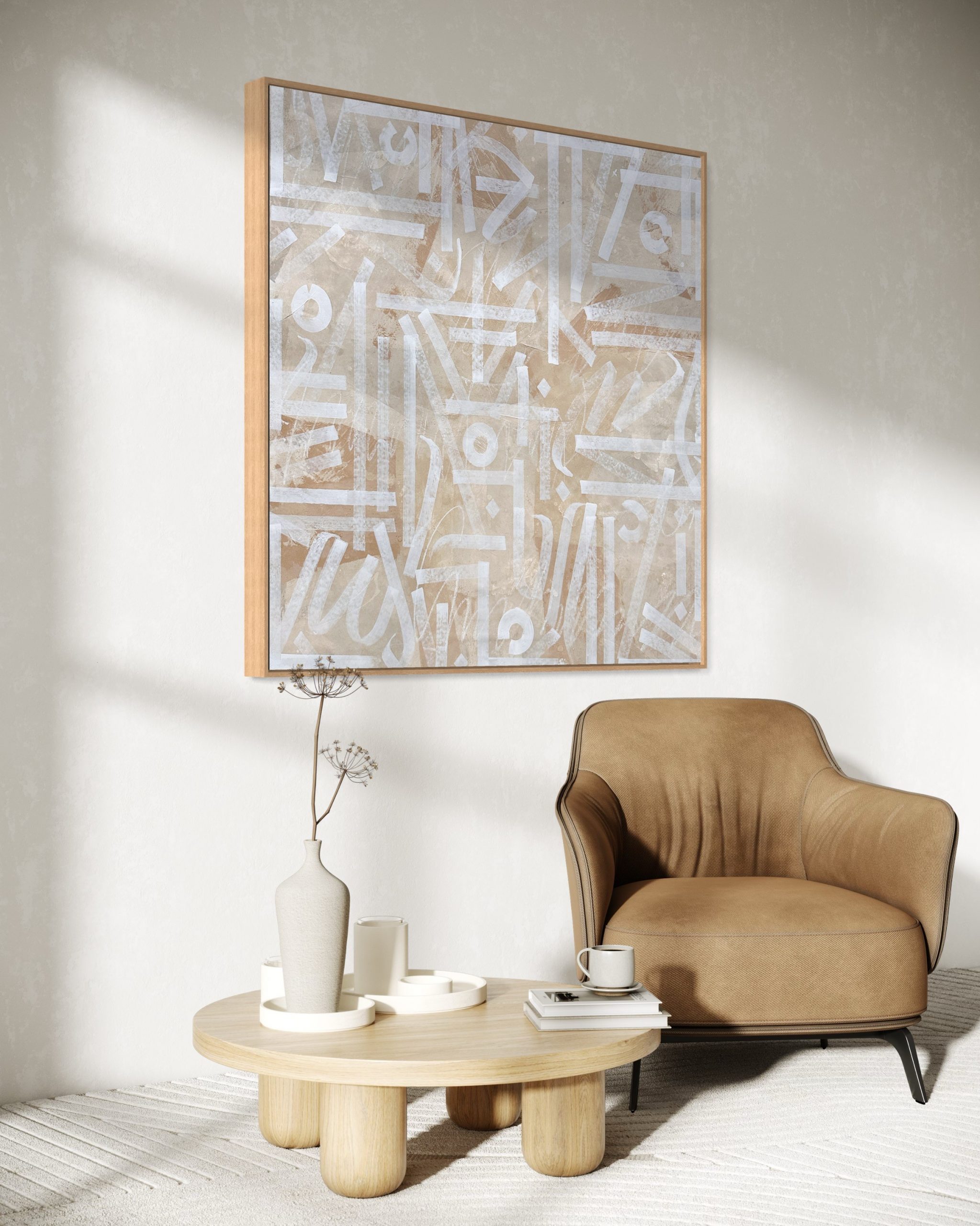
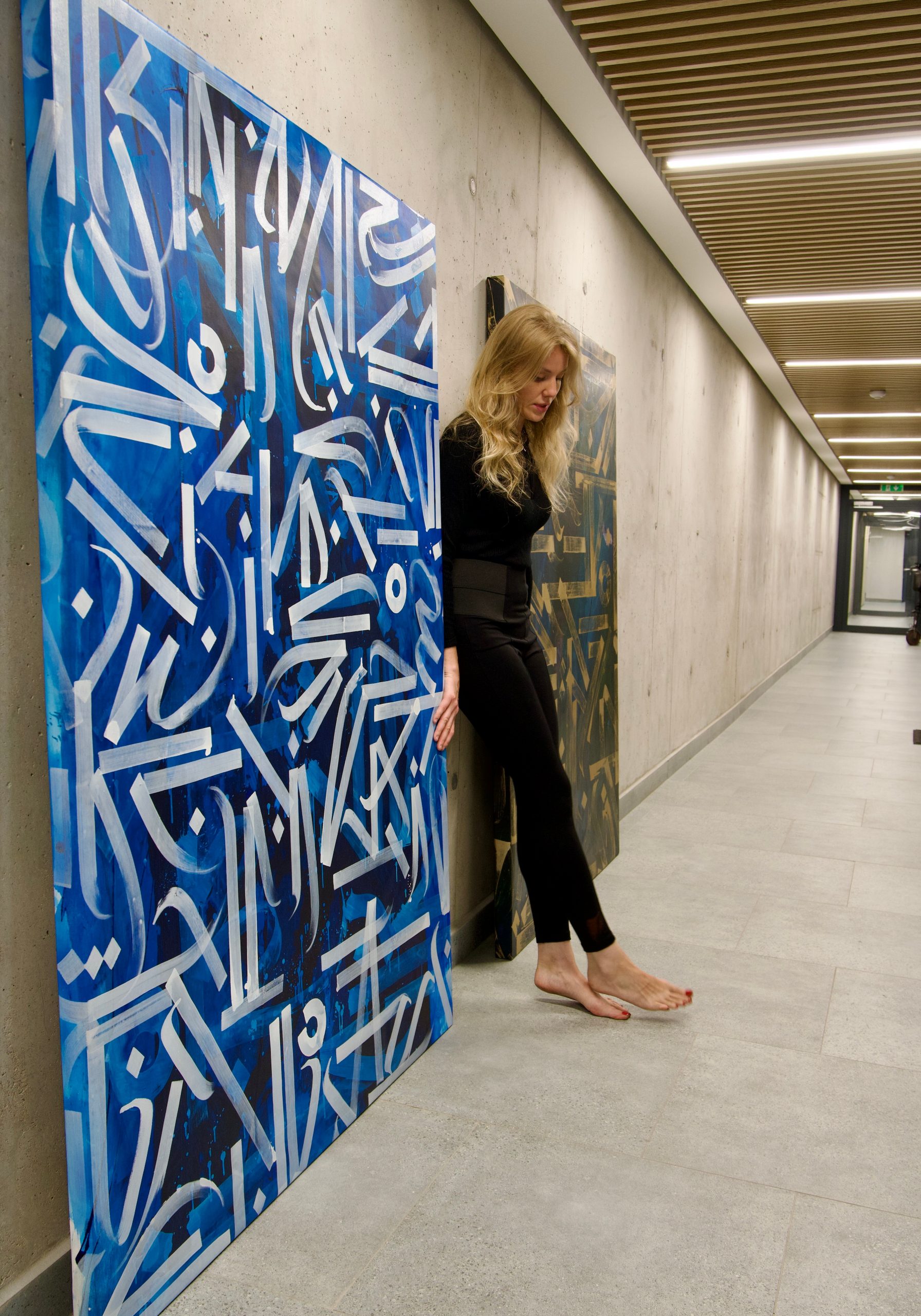
Image Credits
Kate Paul