Meet Huanzhe Hu | Artist & Creative Director


We had the good fortune of connecting with Huanzhe Hu and we’ve shared our conversation below.
Hi Huanzhe, why did you decide to pursue a creative path?
I grew up in a collectivist environment, where personal boundaries could feel fragile—easily blurred or erased. That gave me a deep-seated fear of losing my individuality and an anxiety about being homogenized. Creating became my way of pushing back against that fear. Even before I had a clear concept of what “art” was, I was drawn to the act of bringing something into existence from nothing. There’s an exhilaration in giving form to imagination—it feels like free-falling, slightly dangerous, almost illicit.
At the same time, I love the process of creation itself. Art has the unique ability to hold something in an unspeakable state while still making it felt and understood—something no other discipline can fully replace. I’m fascinated by that space, where meaning is sensed rather than explained, and where imagination finds its own form.
Let’s talk shop? Tell us more about your career, what can you share with our community?
I’m an interdisciplinary artist from China whose practice revolves around sound, site-specific installations, and the relationships between humans and the non-human world. I have found the experience of studying abroad—especially in the U.S.—profoundly formative. Navigating multiple layers of cultural and artistic adaptation felt, at times, like carrying a fragile seed through unfamiliar terrain. I needed to translate my ideas into a broader, more inclusive language—one that resonates across cultural divides and can be felt by diverse audiences.
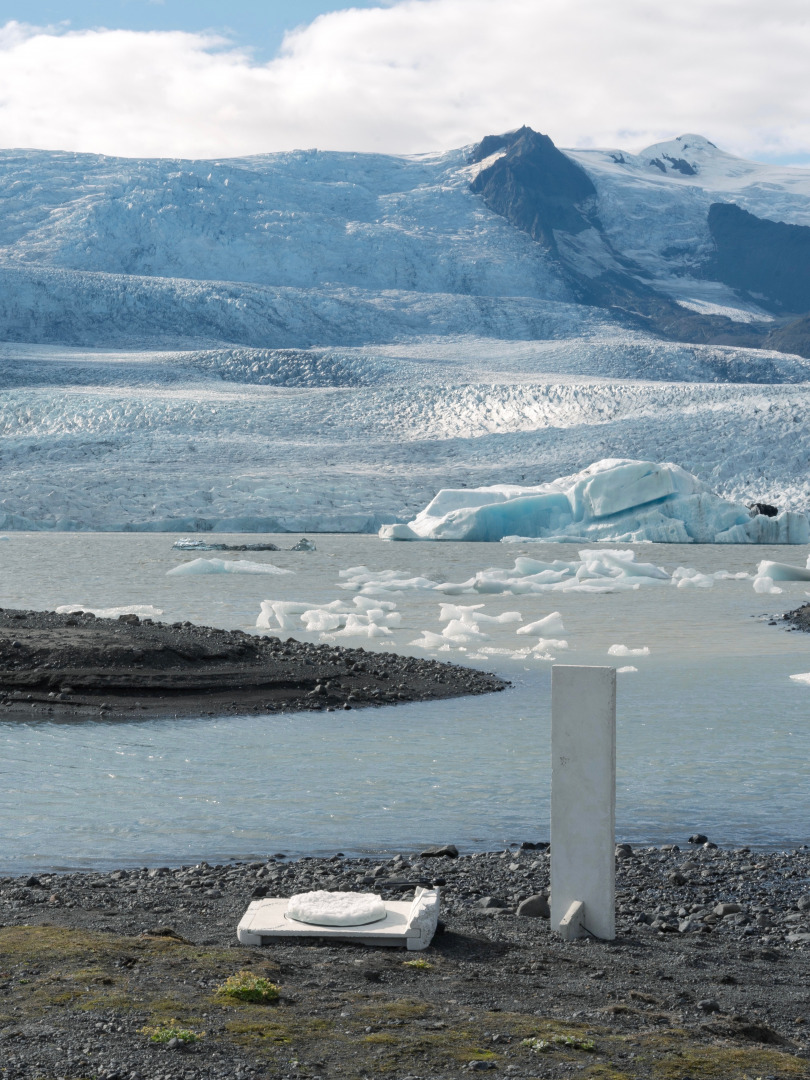
Creating site-specific work makes me feel deeply connected to the times and places I inhabit. I believe meaningful creation grows from dialogue with communities, co-ownership, and perseverance—even when the initial steps are fragile or uncertain. In many ways, my own process—especially with site-specific projects like the Iceland sound installation—has been about navigating those very challenges: sending emails, building trust, patiently co-creating with local partners, and turning obstacles into shared work.
For me, making art is a continuous dialogue with the world—an attunement to the environment and its rhythms. Rather than a fixed object, art becomes a space for shared encounter, where meaning is co-created. This practice is rooted in empathy—toward humans, non-humans, and the environment—and is cultivated through patience and sustained dialogue, which transform isolated ideas into living, resonant experiences.
My ambition is to cultivate empathy across divides—not just between humans, but between us and the more-than-human world. If I can form an intimate connection with something distant, vast, or even ineffable, that capacity can stretch back and enrich human relationships too—especially in times marked by fragmentation and disconnection. My work seeks to open that space: a space of empathy, interspecies resonance, and shared poetic attention.
Any places to eat or things to do that you can share with our readers? If they have a friend visiting town, what are some spots they could take them to?
If a friend were to visit, I would begin by taking them into those quieter spaces: botanical gardens, hidden parks, intimate gardens where the air feels different and the pace of time shifts. These are the spaces I find myself returning to most often when I step outside, where the act of walking among plants becomes a form of listening.
From there, we would step into architectural palimpsest—old buildings that have been reimagined into galleries, studios, and experimental spaces. They carry the memory of the city in their walls, yet open toward new, unexpected futures. I like how these spaces are not just backdrops but active participants in shaping how we experience art.
And of course, we would taste the city. Food here is not just sustenance—it’s a map of memory, a tactile archive of the city’s rhythms.
Who else deserves some credit and recognition?
I want to thank everyone who has supported my work—my graduate and undergraduate professors, collectors, collaborators, and the many people who have helped me along the way. One of the things I still find remarkable about making art is this: you can have an idea that’s fragile, incomplete, or even a little strange, and it may offer nothing tangible to someone else. Yet, simply because they find it intriguing, they’re willing to help you make it real. That generosity feels deeply idealistic to me.
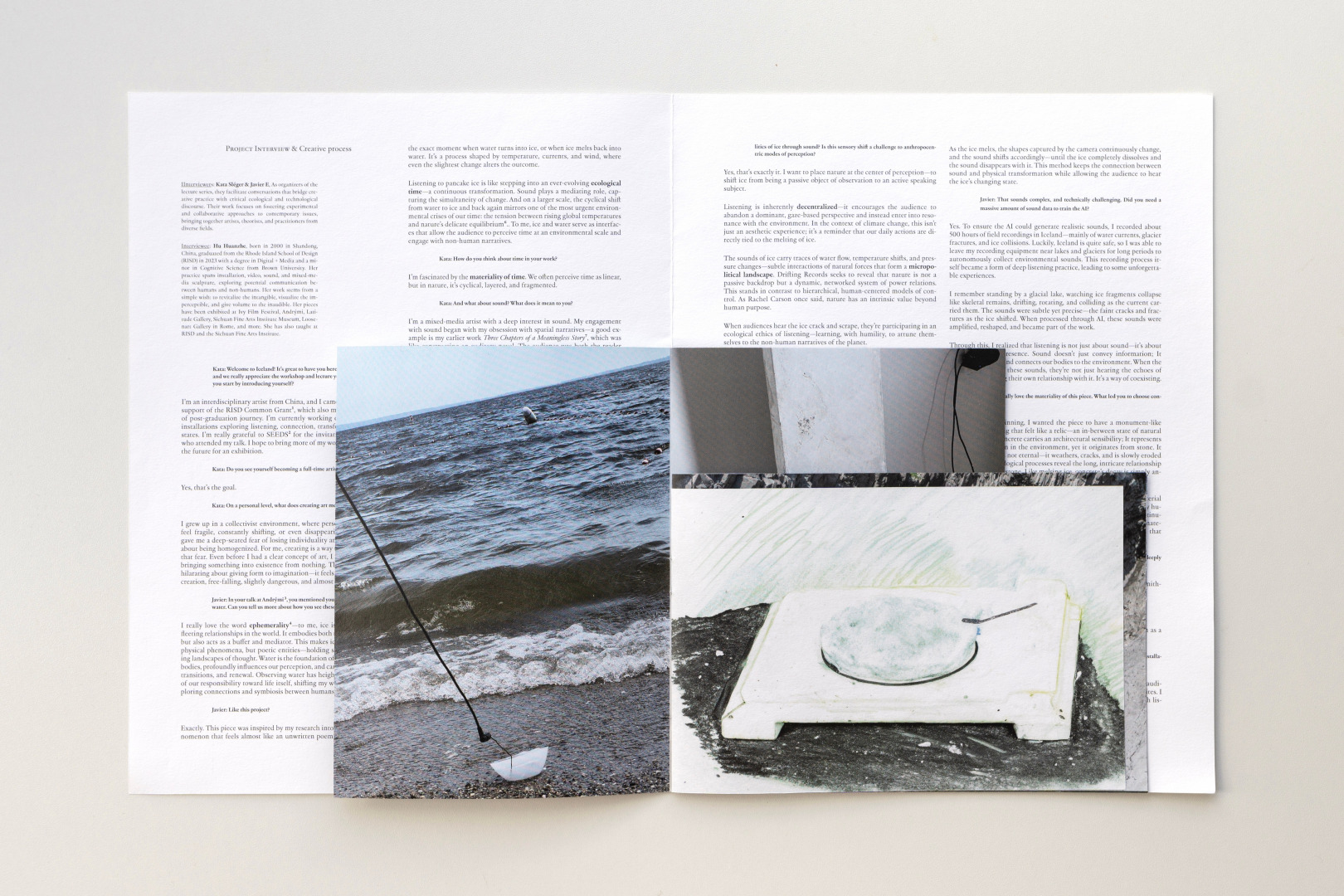
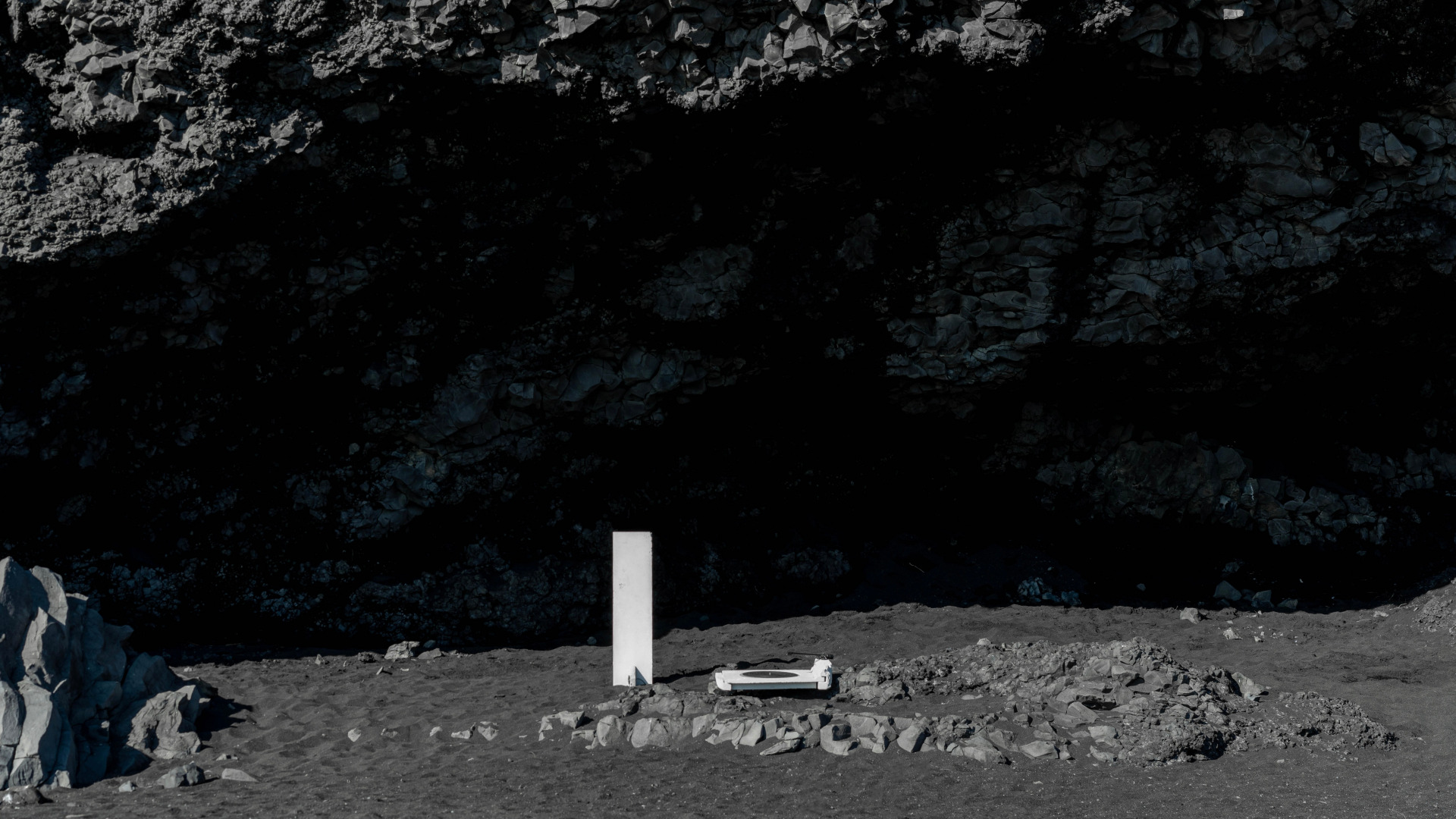
My graduate professor, Fletcher, is a great example. I’m not someone who is unwaveringly confident about every idea—especially in that vulnerable “0 to 1” stage. If that early spark gets dismissed, there’s no “100” afterward. Fletcher always encouraged my small, unformed ideas, including the one that eventually took me to Iceland: building a record player to play the sound of pancake ice, a natural phenomenon. He also helped me secure a grant and connected me with people in Iceland, making the project possible.
While working on another project in Sri Lanka, I was moved by many small acts of kindness. Once, while camping in a remote area to record sounds, we returned late at night expecting to have to sleep in a damaged, wind-leaking tent—the only one likely left. Instead, we found that the other campers had taken the worst tents themselves and left the best one for us, along with a little food in case we hadn’t eaten.
Moments like these—whether from mentors, collaborators, or strangers—remind me of the quiet power of trust, empathy, and human connection. They are part of what drives me to keep creating: the hope that my work might help people notice and cherish those fragile yet resilient bonds. Traveling to different places for site-specific projects has also been a profound process for me—learning how local communities perceive nature, how they understand ecology, and how their culture has been shaped, in subtle and tangible ways, by the environment they live in.
Website: https://huanzhehu.com/
Instagram: https://www.instagram.com/huanzhe_/
Linkedin: https://www.linkedin.com/in/huanzhe-hu-320806222
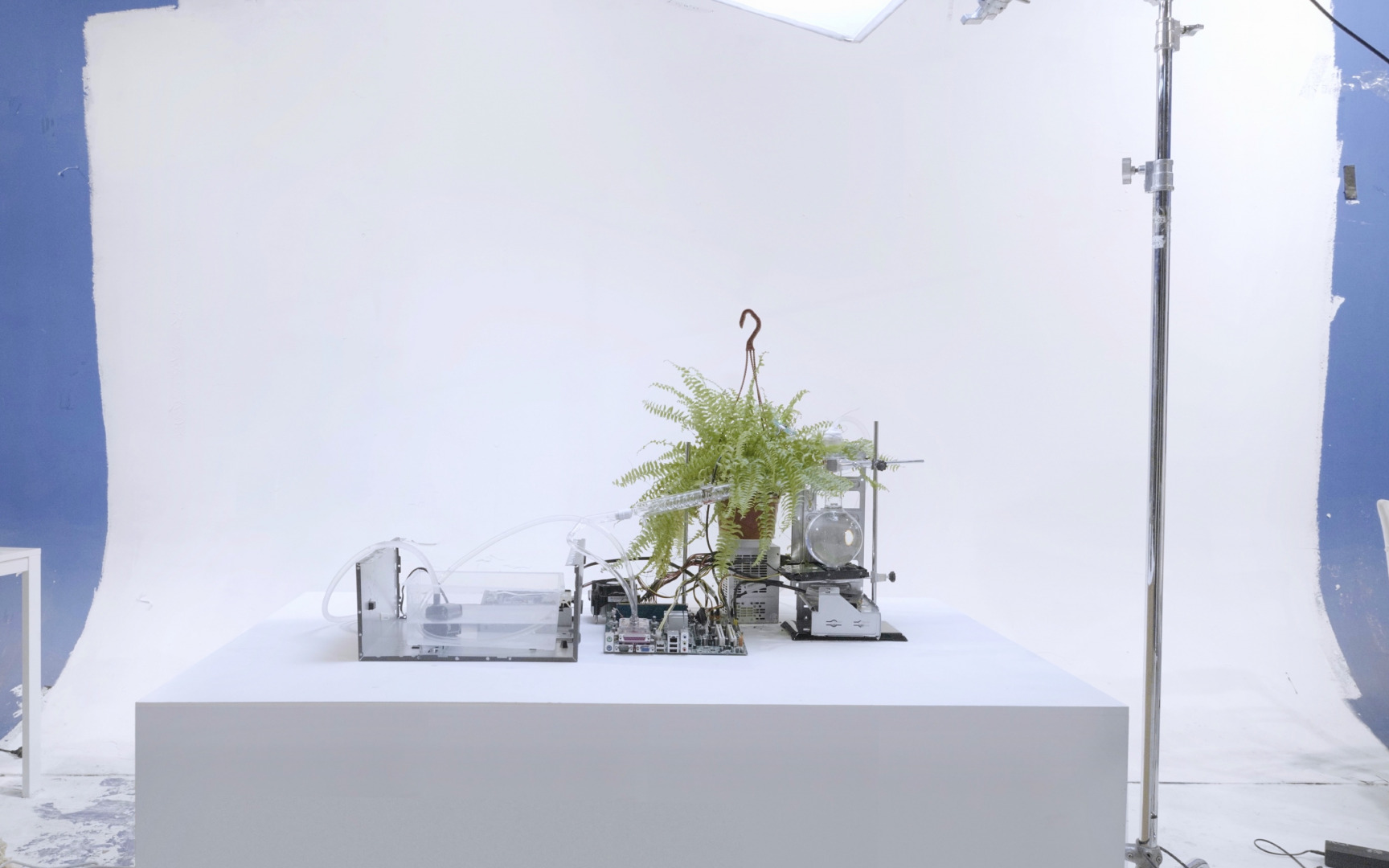
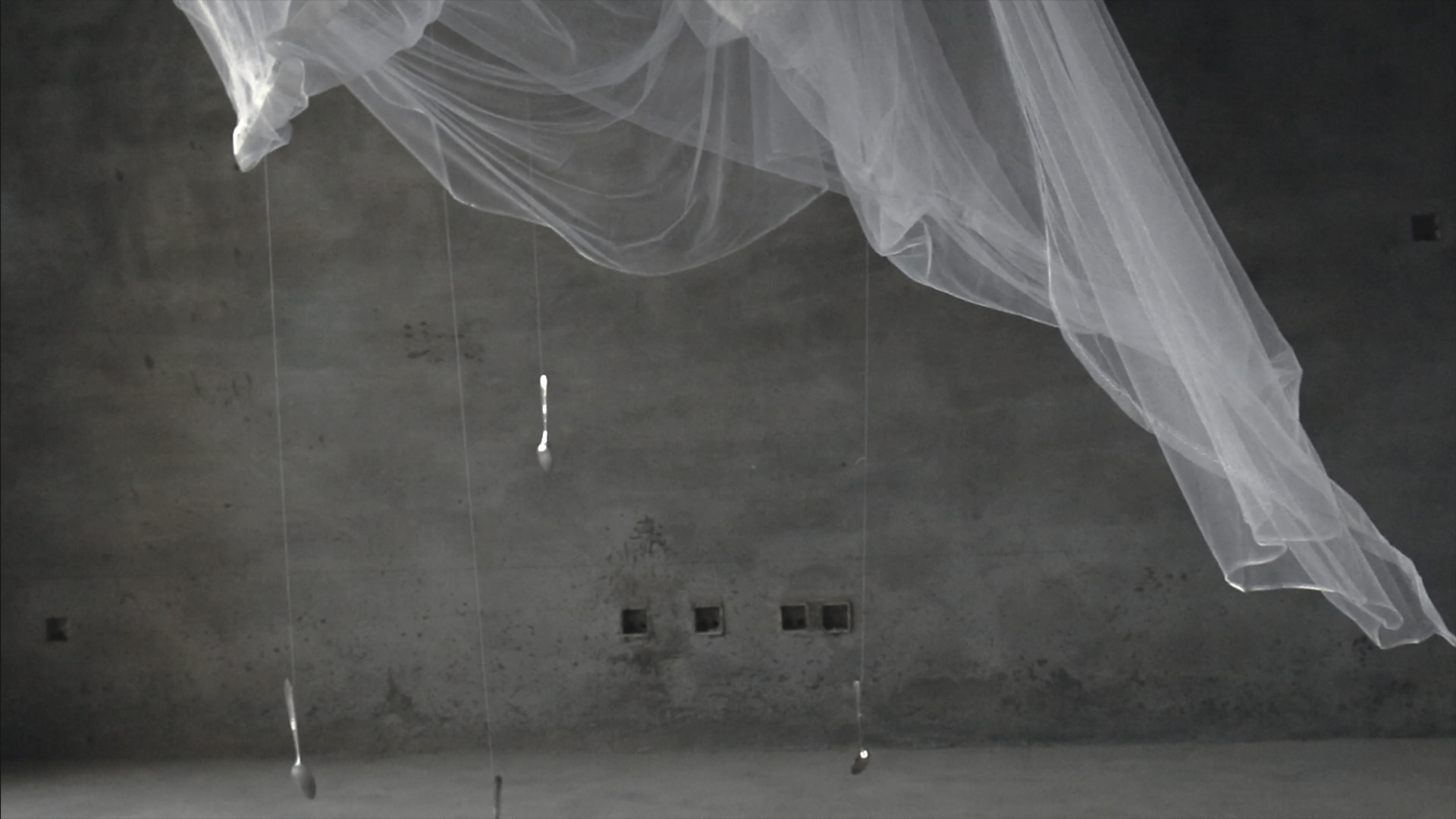
Image Credits
Huanzhe Hu